Dr. Alan Berg explains epi-on corneal cross-linking (Epioxa) for keratoconus in Los Angeles: how it works, epi-on vs. epi-off, candidacy, teens, cost, and where to be seen.
Meet Berg-Feinfield’s fellowship-trained glaucoma specialist, Dr. Lilit Minasyan, in Burbank, and learn how preventive glaucoma care protects your sight across Los Angeles.
Most of our surgical patients keep seeing the optometrist they already know — before their procedure and after it. For those who don’t have one, Berg-Feinfield has its own team. Here’s how both paths work.
Do you remember when you had your last eye exam? If not, it may be time to schedule one.
Eye exams test for more than just refractive errors like farsightedness, nearsightedness, and astigmatism. They can also help detect eye conditions early on so that you can receive prompt and effective treatment.
Keep reading to learn more about how often to visit your ophthalmologist after 40.
How Often Should You See Your Ophthalmologist?
The guidelines for how often to see your opthalmologist depend on your age and other risk factors, such as health history and family history. The American Academy of Ophthalmology recommends that adults should undergo a comprehensive eye exam once in their 20s and twice in their 30s.
At age 40, you should start attending eye exams at least every two years. However, if you have certain risk factors for eye conditions, you should schedule exams at least once a year.
Risk factors for eye conditions include:
Family history of eye conditions
Wearing contact lenses
Severe nearsightedness or farsightedness
Previous eye surgeries or injuries
Functional vision in only one eye
Certain health conditions, such as diabetes
Taking certain medications such as corticosteroids
If you are at a higher risk for developing eye conditions, it is crucial you undergo regular eye exams. Degenerative conditions like glaucoma can cause irreversible vision loss and often don’t present with symptoms until significant damage has already occurred.
This is especially important for patients over age 65, who should attend eye exams at least annually. By keeping up with your eye exams, you can stay on top of your eye health and prevent vision loss.
What to Expect at Your Eye Exam
Your ophthalmologist at Berg Feinfield Vision Correction can perform a variety of tests to assess your vision and eye health. These tests may include:
External Eye Exam
Your ophthalmologist will use a light to examine the outside of your eyes and check if your pupils respond as they should.
Refraction Assessment
During a refraction assessment, your ophthalmologist will have you look through a device called a phoropter. They will switch between lenses to determine your best prescription for glasses or contacts.
Visual Acuity Test
A visual acuity test can measure the sharpness of your vision. You will be asked to read letters from a chart, covering one eye at a time.
Eye Muscle Test
Your opthalmologist can use an eye muscle test to monitor for weakness or uncontrolled eye movements by asking you to look in specific directions.
Visual Field Test
A visual field test can measure your peripheral vision. This test is useful in detecting glaucoma, as peripheral vision loss is typically the first symptom that presents.
Tonometry
Elevated eye pressure is also an indicator of glaucoma. Tonometry measures eye pressure to determine your risk of developing the condition.
Optomap
An Optomap uses ultra-widefield imaging to give your ophthalmologist a comprehensive view of the retina. This can help detect conditions like diabetic retinopathy, glaucoma, and age-related macular degeneration.
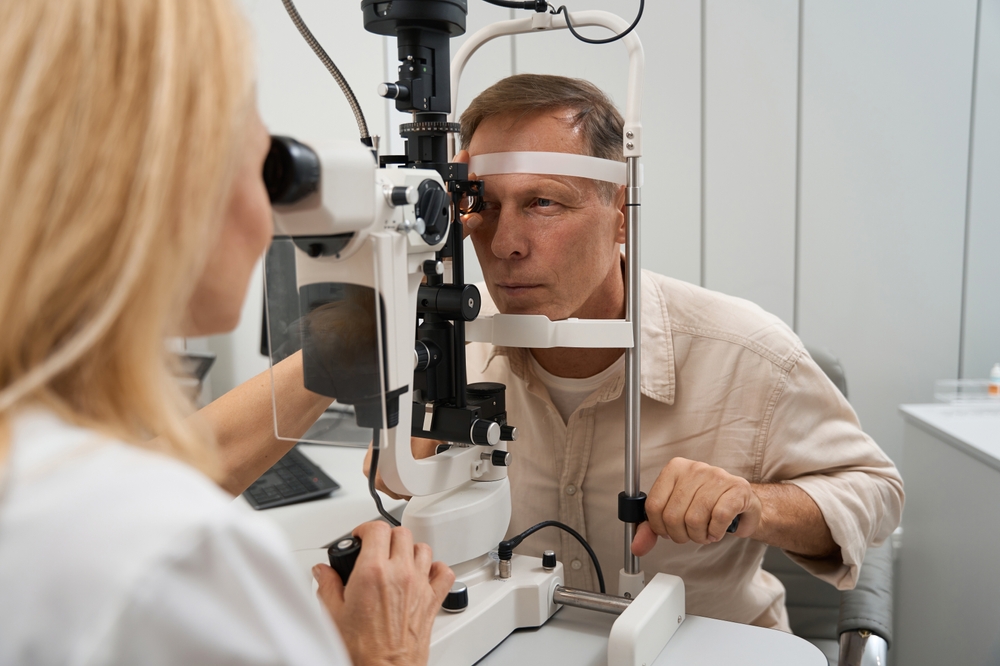
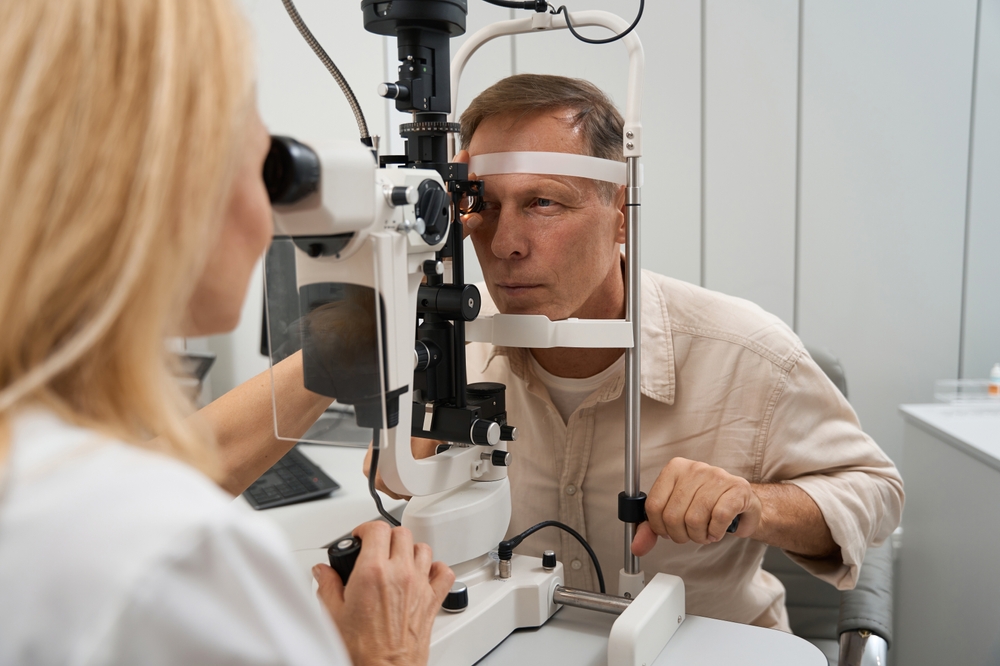
Slit-Lamp Examination
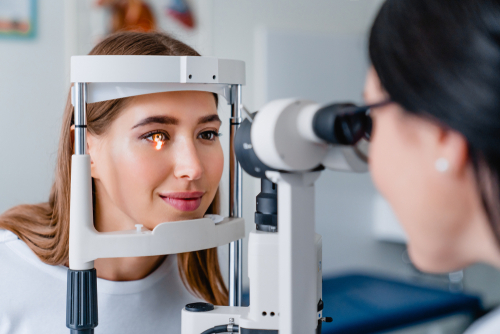
Your ophthalmologist can use a slit lamp to see the cornea, lens, iris, and anterior chamber of your eye to screen for common eye conditions.
Retinal Examination
You may undergo a retinal examination with or without dilation so your ophthalmologist can examine your retina, choroid, blood vessels, and optic disc.
The tests your ophthalmologist conducts will depend on your risk factors and eye health. If you are undergoing dilation at the exam, you should have someone drive you home, as it can temporarily impair your vision.
By scheduling frequent eye exams, you are not only ensuring your prescription is up-to-date, but you are also protecting your vision from conditions that can cause serious damage. The older you get, the more your risk increases, which is why it is vital to attend regular eye exams after age 40.
Do you want to take control of your eye health? Schedule an appointment at Berg Feinfield Vision Correction in Burbank, CA, today!
If your eyes constantly feel dry or if they often burn, itch, or feel like they have sand in them, you might have dry eye. While this eye condition is extremely common, its symptoms might lead you to believe it could be caused by an underlying autoimmune condition.
It may make you feel better to know that dry eye, in and of itself, is not an autoimmune condition. It is most often caused by other factors, including aging and environmental conditions.
While dry eye is not an autoimmune condition, it can be the symptom of an autoimmune disorder, such as Sjögren’s syndrome. Keep reading to learn more about dry eye, including how it’s connected to autoimmune conditions!
What is Dry Eye?
Dry eye is an eye condition that occurs when your eyes don’t produce enough tears or produce poor-quality tears. Your eyes need a certain amount of high-quality tears to stay adequately lubricated.
High-quality tears have three layers: an oil layer, a water layer, and a mucin layer. These layers work together to produce tears that lubricate, nourish, and protect your eyes.
Other common symptoms, in addition to the ones mentioned above, include blurry vision, sensitivity to light, difficulty seeing at night, eye fatigue, watery eyes, difficulty wearing contact lenses, and pronounced redness. If left untreated, chronic dry eye can lead to inflammation that can harm the inner structures of the eye and cause injuries on the eye’s surface, like corneal abrasions.
What is Sjögren’s Syndrome?
Sjogren’s syndrome is an immune system disorder that can occur alongside other autoimmune disorders. In Sjögren’s syndrome, the immune system attacks the glands that make tears and saliva, preventing them from producing enough of the fluids that keep the eyes and mouth moist.
While the eyes and mouth are most affected by Sjögren’s syndrome, it can also affect other parts of the body, causing muscle and joint pain and fatigue. As it progresses, it can damage the lungs, kidneys, and nervous system.
About half of the people diagnosed with Sjögren’s syndrome have another autoimmune disease like rheumatoid arthritis, lupus, or scleroderma. It is estimated that at least four million Americans are living with Sjögren’s syndrome, making it one of the most prevalent autoimmune diseases.
What Are the Other Causes of Dry Eye?
If your dry eyes are not a symptom of Sjögren syndrome, they may be caused by one of these common causes:
Aging
Forgetting to blink when looking at an electronic screen for a long time
Dry indoor air from heaters or air conditioners
Hormonal changes during pregnancy or after menopause
Use of contact lenses
Certain medications, including antihistamines, diuretics, and birth control pills
How is Dry Eye Treated?
The best treatment for this condition depends on what is causing your dry eye. For mild cases, dry eye can usually be effectively treated with over-the-counter or prescription eye drops which keep eyes comfortably moist.
Another option is a heat therapy treatment, like iLux. During an iLux treatment, gentle heat and pressure are applied to unblock the eye’s meibomian glands, which help produce high-quality tears. If you have more severe dry eyes, surgical options, like closing the tear drainage canals or implanting punctal plugs, can reduce tear loss.
If dry eye affects the comfort of your vision, you can get relief by scheduling an appointment with an experienced and knowledgeable eye care provider like Berg-Feinfield Vision Correction. A comprehensive eye exam is the best way to ensure that your dry eye is not a symptom of an underlying autoimmune condition.
Do you want to get to the root of your dry eye symptoms? Schedule an appointment at Berg Feinfield Vision Correction in Burbank, CA, today!
Dry eye is an increasingly common condition that affects millions of people worldwide. Learning to identify dry eye signs can help you know when to seek treatment and manage aggravating complications.
Keep reading to learn more about dry eye, including some of the most common symptoms!
What is Dry Eye?
Dry eye occurs when the eyes do not produce enough quality tears to stay lubricated. Tears are crucial for maintaining eye health and clear vision as they perform various duties and coat the surface of your eyes.
Dry eye can develop due to many factors like aging, medications, environmental conditions, and health conditions. Some people may experience dry eye symptoms intermittently, while others may have a chronic condition that requires more advanced treatment methods.
What Are the Symptoms of Dry Eye?
People with dry eye often experience irritated, uncomfortable eyes as well as visual disturbances. Other common symptoms include:
Blurry Vision
Insufficient tears cause the eyes’ protective film to become unstable. This results in blurry vision that may fluctuate throughout the day.
If dry eye causes blurry vision, reading or driving may become more difficult.
Eye Redness
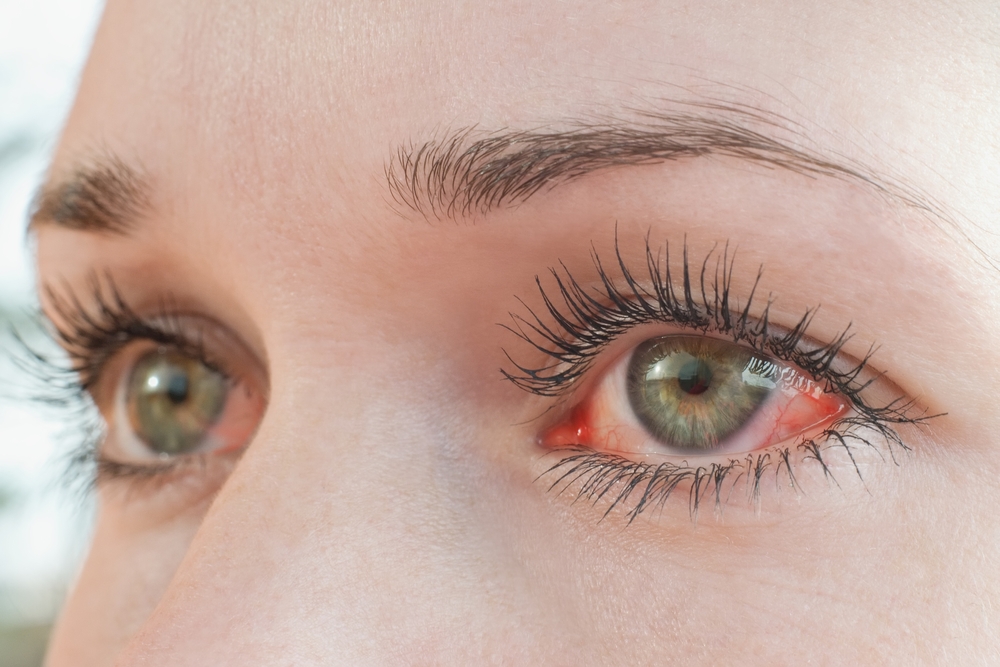
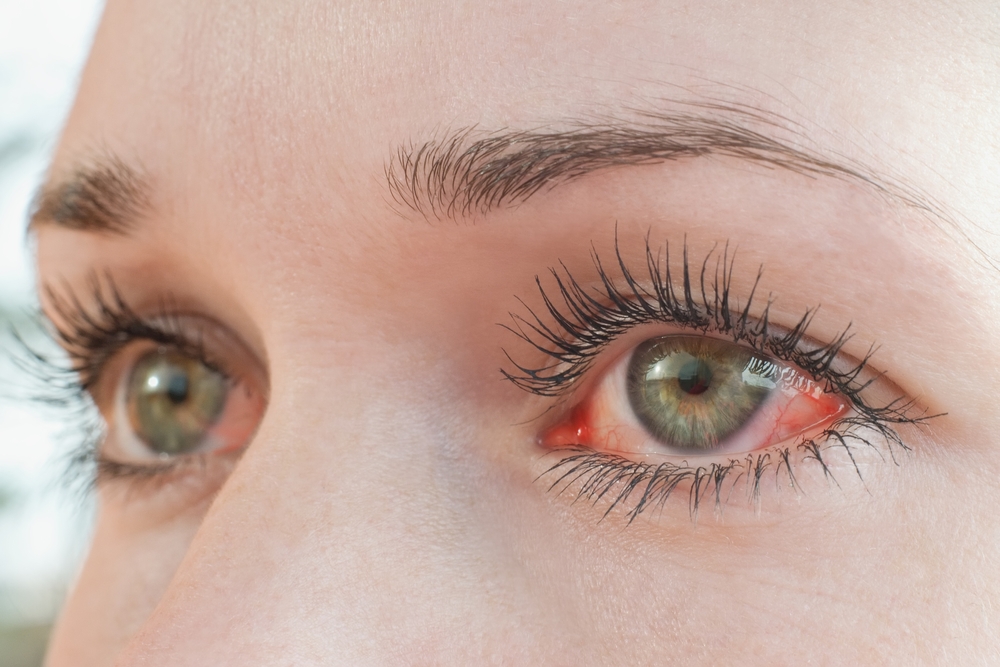
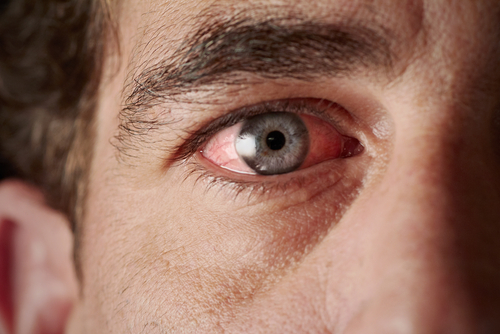
Lack of adequate lubrication causes increased eye irritation and inflammation. This often looks like general redness in the whites of the eyes or on the inner eyelids.
Eye Burning
Dry eyes typically feel scratchy and sting. There may be a painful, burning sensation, especially when blinking or doing visual tasks.
This can interfere with both work and leisure activities.
Tearing
While it may seem contradictory, watery eyes can be a sign of dry eye. Reflexive tearing due to irritation can occur as the eyes try to achieve comfort.
Excess tears may overflow without reaching the eyes.
Grittiness
Eyes with insufficient lubrication often feel uncomfortably gritty, almost like there is sand or debris in them. Rubbing typically does not relieve this distressing grittiness, although it can be tempting.
If you are experiencing symptoms of dry eye, it is essential to visit your eye doctor at Berg Feinfield for a thorough evaluation and treatment plan to prevent the condition from worsening.
How is Dry Eye Treated?
A variety of over-the-counter and prescription eye drops can effectively soothe dry eye symptoms in some cases. Your eye doctor may recommend increasing your use of artificial lubricating drops, using warm compresses to help improve the quality of your tears, or using humidifiers, as these solutions may provide relief.
Lifestyle changes like rest, hydration, and dietary improvements can also support dry eye treatment. If symptoms persist, your eye doctor may recommend additional personalized management options.
One advanced in-office treatment is the iLux. This device delivers controlled heat via infrared light to the eyelids and surrounding oil glands.
The warmth liquefies oil inside the meibomian glands in your eyelids to supplement the tear film. Your eye doctor may recommend the iLux to be used along with other therapies to provide additive dry eye relief.
This quick, simple, and comfortable in-office procedure is very effective in many cases. In order to find the best treatment for you, your eye doctor will thoroughly evaluate your eyes to determine the root cause of your symptoms.
Are you experiencing dry eye symptoms? Schedule an appointment at Berg Feinfield in Beverly Hills, CA, today!
Regular eye exams play a crucial role in detecting and preventing serious eye conditions. These exams can enable early identification of eye conditions like glaucoma, cataracts, and macular degeneration, allowing timely intervention and treatment.
Early detection helps preserve vision and ensures better outcomes for long-term eye health. Keep reading to learn how often you need to see your eye doctor!
What is the Recommended Frequency For Eye Exams?
The recommended frequency of eye exams will vary for each person. Your eye doctor at Berg Feinfield will help determine how often you will need to come in for an eye exam by weighing various factors, including your age and overall eye health.
Adults should have a comprehensive eye exam every one to two years, especially if they wear glasses or contact lenses. Children should have their first eye exam at six months, followed by another at age three, and regular check-ups before starting school.
Adults over sixty-five or those with certain health conditions may require more frequent exams. Regular eye exams are crucial in detecting and addressing vision issues, eye conditions, and overall eye health, ensuring early intervention and maintaining optimal vision throughout life.
Do I Need to See an Eye Doctor If I Don’t Wear Glasses or Have Any Eye Issues?
Even if you don’t wear glasses or aren’t currently experiencing any eye or vision issues, it is still essential to see your eye care professional regularly. Comprehensive eye exams are not just for identifying vision problems; they also play a crucial role in maintaining overall eye health.
Many eye conditions, such as glaucoma, cataracts, and age-related macular degeneration, develop gradually and often without noticeable symptoms in their early stages. Regular visits to your eye care professional allow them to monitor your eye health, detect potential issues early on, and implement preventive measures to preserve your vision.
Additionally, eye exams can reveal underlying health concerns like diabetes or high blood pressure, as the eyes can offer valuable insights into your overall well-being. Even if your vision seems perfect, routine eye exams are a proactive step in safeguarding your vision.
Remember, prevention is key to maintaining good eye health for years to come.
What Are the Signs That Indicate I Should Schedule an Eye Exam Sooner Than My Regular Check-Up?
If you experience any of the following signs, it’s essential to schedule an eye exam sooner than your regular check-up:
Changes in Vision
Blurriness, double vision, or difficulty focusing on objects may signal refractive errors or other vision issues.
Eye Discomfort or Pain
Persistent eye pain, redness, itching, or irritation could indicate an infection or inflammation.
Flashes of Light or Floaters
The sudden appearance of flashes of light or an increase in floaters might be linked to retinal detachment or other serious conditions.
Headaches and Eye Strain
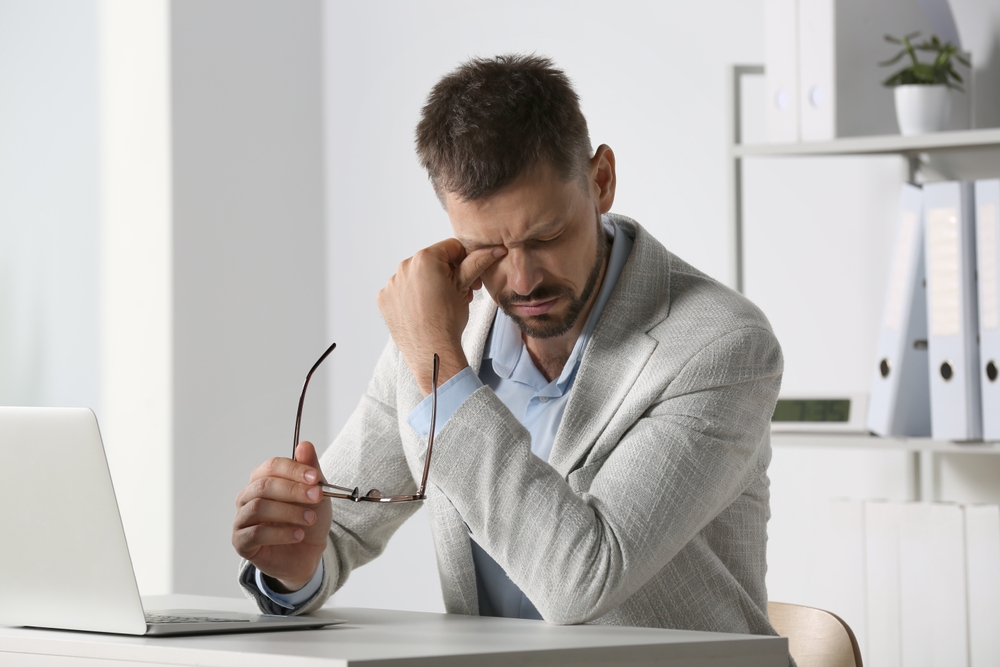
Frequent headaches and eye strain, especially after reading or using digital devices, may suggest the need for vision correction.
Seeing Halos or Glare
Seeing halos around lights or experiencing glare sensitivity could be symptoms of various eye problems.
Gradual Loss of Peripheral Vision
A gradual loss of peripheral vision may be a sign of glaucoma, a condition that needs early detection and treatment.
Squinting or Closing One Eye
Children or adults squinting or closing one eye to see clearly could indicate vision issues and requires evaluation.
Family History of Eye Conditions
If you have a family history of certain eye conditions, such as glaucoma or macular degeneration, your eye doctor may recommend more frequent eye exams.
Is it time for you to have an eye exam? Schedule an appointment at Berg Feinfield Vision Correction in Beverly Hills, CA, today!
Dry eye is a common eye condition that can cause many uncomfortable symptoms. In many cases, treatment is needed to reduce the symptoms and help improve your quality of life.
Keep reading to learn more about dry eye, including whether or not it is a chronic eye condition!
What is Dry Eye?
Dry eye is a condition that affects the clear front surface of your eye, known as the cornea. When you have dry eyes, your eyes may not have enough tears or the right quality of tears to keep them moist and healthy.
Tears have the important job of keeping our eyes lubricated and protected. Tears contain special substances that keep the eyes moist, wash away dirt and germs, and even help keep your vision clear and crisp.
Dry eye can cause different symptoms for different people, depending on each individual person and the severity of the condition. These can include feelings of dryness like there’s something gritty or scratchy in your eyes.
Your eyes might also become red and irritated, and you might have a burning or stinging sensation. Sometimes, dry eye can make your eyes watery, but the tears produced might not be the right kind to keep your eyes comfortable.
Can Dry Eye Be a Chronic Condition?
Dry eye can be a chronic condition, which means it can last for a long time or come back repeatedly. Some people experience dry eye for a short time.
For example, after you spend a few hours in a dry or dusty environment. This is called acute dry eye, and it usually goes away on its own or with simple treatments like using artificial tears.
However, for others, dry eye doesn’t go away easily and may become a chronic problem. It’s essential to recognize that chronic dry eye may require ongoing management and care.
Although it might not go away completely, there are treatments and strategies available to help alleviate the symptoms and improve the comfort of your eyes.
Can Dry Eye Be Managed or Cured?
Dry eye can be managed effectively, although it may not be entirely cured. The goal of treatment is to alleviate the symptoms, improve the quality of tears, and enhance eye comfort.
While chronic dry eye may require ongoing management, there are various options available to help you find relief. To manage dry eye, you can try using artificial tears or lubricating eye drops to provide moisture and alleviate dryness.
Your eye care professional may recommend specific types or brands of artificial tears based on your individual needs. Additionally, they might suggest lifestyle modifications such as taking regular breaks from screen time, using a humidifier to add moisture to the air, and avoiding dry or windy environments.
In some cases, prescription medications or treatments like punctal plugs, which help retain tears on the eye’s surface, may be recommended.
When Should I See My Eye Doctor for Dry Eye?
If you are experiencing symptoms of dry eye, it’s important to visit your eye doctor at Berg Feinfield Vision Correction for a proper diagnosis and treatment. Once diagnosed with dry eye, your eye doctor will evaluate your eyes and learn about your lifestyle to determine the root cause of your symptoms.
This will help them create a treatment plan tailored to your specific circumstance. Many people are able to handle their dry eye symptoms by increasing their use of artificial tears.
However, if you are experiencing eye discomfort, vision changes, or if your dry eye symptoms seem to not improve with at-home treatment, visit your eye doctor.
Are you experiencing symptoms of dry eye syndrome? Schedule an appointment at Berg Feinfield Vision Correction in Burbank, CA, today!
The dry winter air can mean dry, itchy, and irritated eyes. If you notice your eyes are made worse by situations indoors and outdoors during the cold weather months, there are ways you manage your discomfort and keep your eyes moist.
Staying hydrated helps you and your eyes. You probably pay attention to how much water you’re drinking in the summer when you’re sweating and want to replace the water your body is losing.
Don’t put your water bottle away in winter! As cold weather approaches and you turn on the heat, your indoor environment gets drier.
This is true both at home and in the office. So keep a glass or water bottle handy and sip throughout the day.
Remember to Blink
How often do you pick up your phone, tablet, or laptop, thinking you’ll do a little work or browse social media, and suddenly an hour or more has gone by? You aren’t just losing time, you’re also losing moisture in your eyes when using a screen.
When you look at a computer or mobile device, you blink less. Blinking is the way your eyes stay lubricated and moist.
The eyelid carries a tear film across your eyes every time you blink, preserving moisture and reducing loss of lubrication. Blinking less dries out your eyes.
It’s important to deliberately blink for a few seconds when you are looking at a screen. Tie it to something that’s a part of your routine, like blinking twice each time you read to the end of a page or close a video tab.
Reduce Screen Time
While you may resist doing this, you may want to do an audit of how much time you spend on a screen. You’ll probably be surprised by the amount!
Even a reduction of fifteen minutes a day over your normal screen time is fifteen minutes that you’re helping your eyes. Think about ways you can cut back and preserve your eye’s lubrication.
Follow the 20/20/20 Rule
If you can’t cut back on computer time because it’s part of your job, try following the 20/20/20 rule. Set a timer to go off every 20 minutes, and when it sounds, look away from your screen at something 20 feet away, and do this for a count of 20 seconds.
Even though it takes less than a minute, it’ll give your eyes a rest from the up-close work, reducing the potential for eye irritation and discomfort.
Use Lubricating Eye Drops
Artificial tears are one way to keep your eyes moist and reduce discomfort. If you can, look for preservative-free eyedrops, as they’re a safer formulation.
Add these to your daily routine in winter, and your eyes will thank you for it. If you need more moisture, add it at bedtime using lubricating nighttime eye gels.
They’re thicker and stay in the eye longer, so you can add relief to your dry eyes while you sleep.
Add Omega 3 Fatty Acids
Eating fish like mackerel, wild salmon, sardines, and herring introduces essential omega-3 fatty acids into your diet. Your eye doctor may also recommend that you take omega-3 supplements.
Fish oils and flaxseed oils also contain omega-3 fatty acids and other key nutrients that support eye health. Try mixing fish or flaxseed oil into your favorite salad dressing.
Omega-3 fatty acids can help increase lubrication and combat your dry eye symptoms.
Get Professional Help
In some cases, these lifestyle changes may not adequately solve your dry eye symptoms. To get the best treatment regimen for your specific case, visit your eye doctor at Berg Feinfeild.
Are you experiencing dry eye symptoms? Schedule an appointment at Berg Feinfeild in Los Angeles, CA, today!
Every cell, tissue, and organ in your body depends on water to function correctly. Every time you blink, your body lubricates your eyes to keep them moist.
You lose water when you breathe and sweat, and in between each blink, water evaporates from the surface of your eye. You drink plenty of water for whole-body health, but it protects your eyes as well by reducing the risk of eye conditions such as dry eye syndrome.
2. Wear Sunglasses With UV Protection
Spend time around pools and beaches, and you’re exposing your eyes to ultraviolet rays multiplied by reflective surfaces. The sun alone is damaging, but sunlight shining off of water, sand, concrete, or other light-reflecting surfaces can increase your risk of photokeratitis.
Like your skin, your eyes can get sunburned, and photokeratitis occurs when the sun’s UV rays burn your corneas. Symptoms include eye pain, redness, blurry vision, and even temporary vision loss.
Wear sunglasses marked one hundred percent UV protection or rated UV four hundred to prevent this.
3. Don’t Look Directly At The Sun
Under normal conditions, the sun is just too bright to look at. It’s essential to not look directly at the sun whenever there’s a solar eclipse.
Even if it doesn’t feel uncomfortable to look towards the sun, direct viewing will harm your retina, the tissue at the back of your eye that’s sensitive to light. The result is solar retinopathy, partial or total loss of vision that can be temporary or permanent.
Always take precautions when looking at the sun, even during sunrises and sunsets when UV intensity is reduced. If you’re viewing or photographing a sunrise or sunset, do not stare at the sun for more than a handful of seconds at a time.
Also, remember that a camera lens, binoculars, or viewing the sun through a telescope will not protect your eyes.
4. Avoid Sitting Next to Air Conditioning Units
Coming in from the hot sun, all you want to do is cool off rapidly. And while a quick blast of a nearby air conditioner feels good, try to avoid sitting near one for an extended period of time.
Rapidly circulating air can dry out your eyes. Since air conditioners reduce the amount of moisture in the air, the breeze blowing on your face will increase the evaporation of moisture from the surface of your eye.
Over time, this can lead to dry eye syndrome, a condition in which your eyes cannot adequately maintain moisture. Enjoy the air conditioning, but try not to have vents blowing directly on you.
When driving or riding in a car, position the vents away from your face.
5. Prevent Swimmer’s Eye
Every swimmer knows chlorine stings. Maintaining a clean pool requires powerful chemicals that destroy bacteria.
However, they also harm the natural tear film produced by your eyelids that keep your eyes moist. You’ll often come out with aching red eyes at the end of a swim, and sometimes your vision is blurry.
To avoid the swimmer’s eye symptoms, wear swim goggles so you can still see while keeping your eyes free from chlorine exposure.
6. Protect Your Eyes at Work and Play
You’re outdoors playing sports, gardening, doing yard work, and home repairs. You know to wear long pants and closed shoes when mowing the lawn or garden gloves when weeding and planting.
Take the extra step and put on protective eyewear to safeguard your vision. Safety glasses can prevent airborne debris and flying objects from damaging your eyes.
If you’re playing tennis or baseball, the proper eyewear can save you from injury if you get a direct hit to the face.
Do you want to learn more about how you can keep your eyes healthy and your vision safe? Schedule an appointment at Berg Feinfield Vision Correction in Burbank, CA, today
BERG-FEINFIELD · AFTER HOURS
Meet Claire.
Questions about your vision? Talk with our AI assistant about LASIK, cataract surgery, or general eye care.
AI assistant for general information, not medical advice or emergency care. AI can make mistakes. Confirm medical information with your eye care professional.