

LASIK • Los Angeles
How Long Does LASIK Last?
The reshaping LASIK does to your cornea is permanent. Your eyes keep aging, though. Here is what lasts, what can change and what you can do about it.
Request a consultation
How long does LASIK last?
The correction LASIK makes to your cornea is permanent, and most people keep their improved distance vision for many years. Vision can still change as the eye ages: most people need reading glasses in their 40s or 50s, and cataracts develop later in life. A small share of people see some prescription return and may be candidates for an enhancement.
What does it mean that LASIK is permanent?
LASIK changes the shape of the cornea, the clear front window of the eye. A femtosecond laser creates a thin flap, and an excimer laser reshapes the tissue underneath to correct nearsightedness, farsightedness or astigmatism. The tissue that is reshaped does not grow back, which is why the result is considered permanent.
What LASIK cannot do is stop the rest of the eye from changing. The natural lens behind the cornea keeps aging whether or not you have had surgery, and most long-term changes after LASIK come from there.
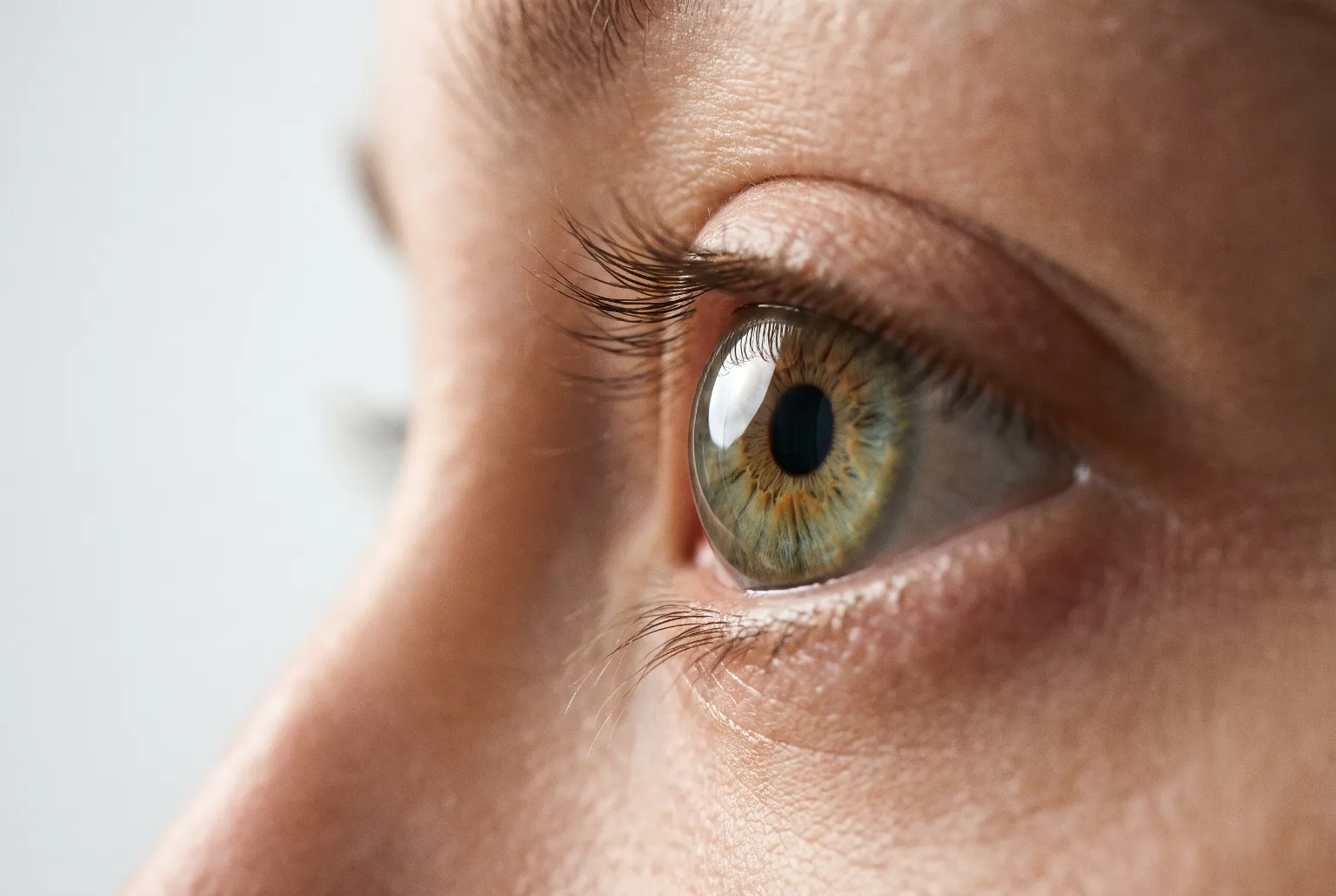
Why might vision change years after LASIK?
- Presbyopia: starting in the early to mid-40s, the natural lens stiffens and close-up focus fades. It happens to everyone, with or without LASIK, and usually means reading glasses for small print.
- Cataracts: the lens gradually clouds with age, usually becoming noticeable from the 60s onward. Cataract surgery replaces it.
- Regression: in some eyes, a small amount of the original prescription returns over time. It is more likely with higher prescriptions and with farsightedness.
- A prescription that was still changing: if your eyes were not stable before surgery, they may keep changing afterward. This is why stability is checked before treatment.
- Hormonal and health changes: pregnancy and conditions such as diabetes can shift vision, sometimes temporarily.

How often is a LASIK enhancement needed?
Most people never need one. If some prescription remains or returns and it bothers you, your surgeon can check whether a second treatment, called an enhancement, is safe. That depends on how much corneal tissue remains, how stable your eyes are and whether the blur comes from the cornea or from early changes in the lens. If a cataract is starting, an enhancement is usually not the right fix, because cataract surgery would address both.
Long-term studies report that a minority of patients choose an enhancement within ten years, with rates that vary by prescription and laser. Ask at your consultation how enhancements are handled, including any cost, so you know before you commit.
How can you help your results last?
- Wait until your prescription is stable: FDA guidance lists a prescription change in the past year as a reason to hold off.
- Get a thorough evaluation: corneal mapping, thickness measurements and wavefront testing help confirm your eyes are a good fit and set realistic expectations.
- Treat dry eye: a healthy tear film gives clearer, steadier vision.
- Protect your eyes: wear protective eyewear for sports and risky work, and sunglasses outdoors.
- Keep up with eye exams: LASIK does not replace regular checks for glaucoma, macular degeneration and other conditions.
Does your age at surgery affect how long LASIK lasts?
Not the correction itself, but age shapes how long you enjoy glasses-free vision at every distance. Someone treated in their 20s or 30s may have many years of clear distance and near vision before presbyopia arrives. Someone treated at 45 will likely need reading glasses sooner, unless they choose monovision. People in their late 40s and beyond, or anyone with early lens changes, may get more from a lens-based procedure such as refractive lens exchange.
For more on timing, see LASIK over 40 and our article on the best age for LASIK.
What if you need cataract surgery after LASIK?
You can have cataract surgery after LASIK. The main difference is planning: because the cornea was reshaped, choosing the right lens power takes extra care. Keep a copy of your LASIK records and your prescription from before surgery, and bring them to any future cataract evaluation. Our guide to cataract surgery after LASIK explains why they help.
Meet your care team
Who leads refractive care at Berg-Feinfield?
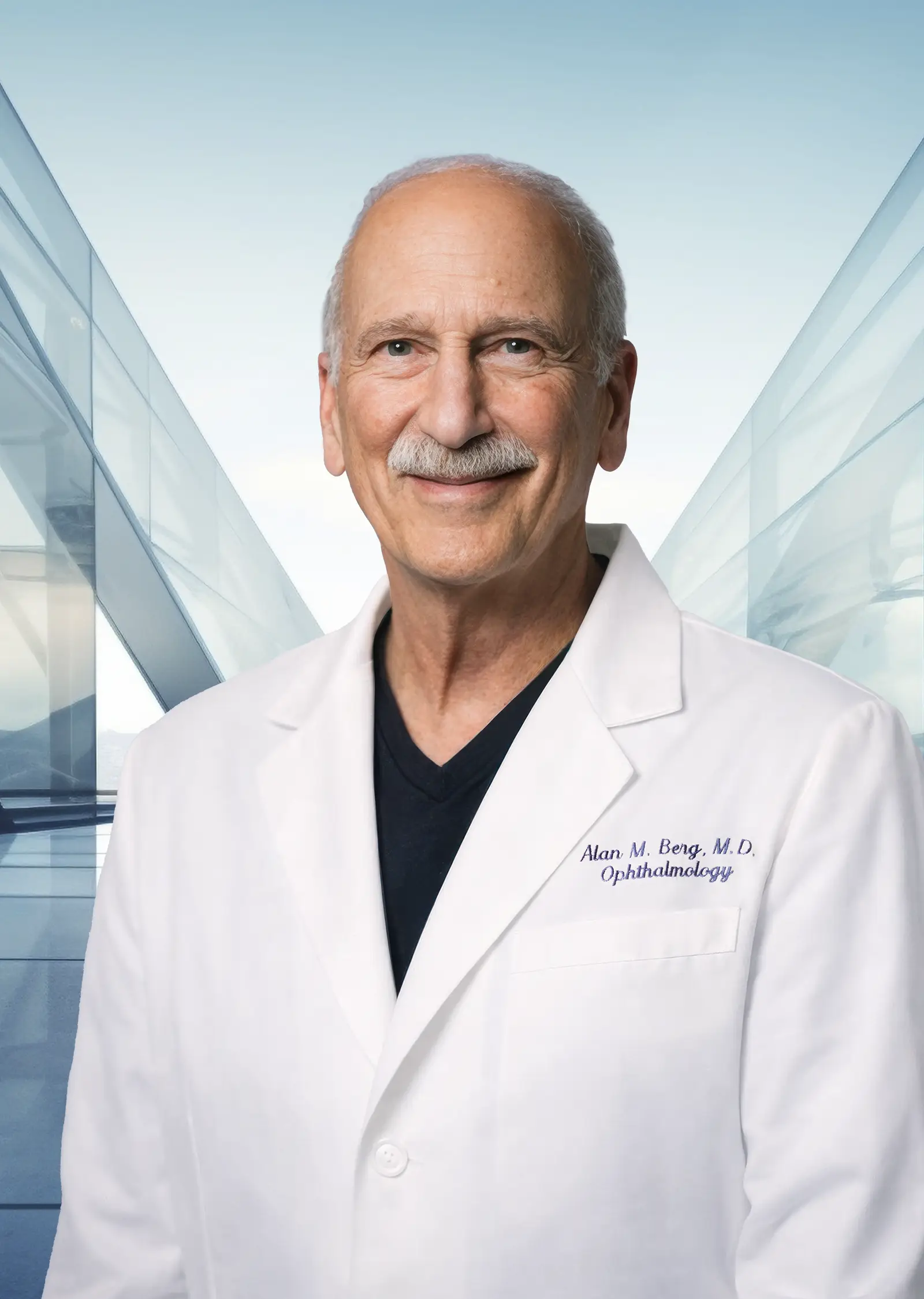
Alan M. Berg, MD
Dr. Berg is a board-certified ophthalmologist who leads LASIK and refractive surgery at Berg-Feinfield. He earned his medical degree at Bowman Gray School of Medicine and finished his ophthalmology residency at the University of Southern California, where he remains on the faculty teaching residents.
He has performed more than 50,000 LASIK procedures. Berg-Feinfield has served Los Angeles since 1980 and offers 100% bladeless LASIK through a practice with five offices. He was one of 50 U.S. surgeons chosen for the clinical trials of the Implantable Collamer Lens (ICL). Your own measurements still decide whether surgery is right for you.
What else do Los Angeles patients ask?
Is LASIK permanent?
The corneal reshaping is permanent. Your vision can still change with age, mainly from presbyopia in your 40s and cataracts later in life, and a small number of people see some prescription return.
Can LASIK wear off?
The treatment does not wear off, but some eyes regress slightly over time, more often with high prescriptions or farsightedness. When vision changes years later, it is usually the aging lens inside the eye rather than the LASIK correction.
Will I need glasses again after LASIK?
Most people need reading glasses at some point in their 40s or 50s because of presbyopia. Some also use glasses for night driving or once cataracts develop. Many people go years or decades without glasses for distance.
Can LASIK be done twice?
Sometimes. An enhancement may be possible if enough corneal tissue remains and your eyes are stable and healthy. Your surgeon measures your cornea before recommending one.
Does LASIK prevent cataracts?
No. Cataracts form in the lens inside the eye, which LASIK does not change. You can still have cataract surgery after LASIK, so keep your LASIK records for that evaluation.
Is LASIK worth it in my 40s?
It can be, especially if you have many years of distance-vision benefit ahead and accept reading glasses or choose monovision. Early lens changes may make refractive lens exchange a better long-term option.
Which Berg-Feinfield office is convenient for you?
Request an evaluation at one of five offices. Confirm the clinician and location for each appointment when scheduling.
Sherman Oaks
13320 Riverside Dr, Ste 114Monday–Friday
8:30 AM–5:30 PM
Serving San Fernando Valley.
Request a consultationBurbank
2625 W Alameda Ave, Ste 208Monday–Friday
8:30 AM–5:30 PM
Serving Burbank, Glendale and the eastern San Fernando Valley.
Request a consultationBeverly Hills
462 N Linden Dr, Ste 441Monday–Friday
8:30 AM–5:30 PM
Serving Beverly Hills, the Westside and nearby Los Angeles neighborhoods.
Request a consultationArcadia
638 W Duarte Rd, Ste 10Monday–Friday
8:30 AM–5:30 PM
Serving San Gabriel Valley, including Arcadia and nearby Pasadena.
Request a consultationValencia (Santa Clarita)
27335 Tourney Rd, Ste 210Monday–Friday
8:30 AM–5:30 PM
Serving Santa Clarita Valley.
Request a consultationSee how long LASIK could work for you
A complimentary LASIK evaluation looks at your prescription stability, corneas and natural lens, so you know what to expect now and years from now.
Request a consultation