

Eye Care Blog · Cataracts
Cataract Surgery After LASIK in Los Angeles
Why prior laser vision correction matters, how lens planning changes, and what to ask at your cataract consultation.
Can you have cataract surgery after LASIK? Yes. Previous LASIK does not automatically rule out cataract surgery, but it makes replacement-lens planning more complex. If you are considering cataract surgery after LASIK in Los Angeles, tell your surgeon about every previous refractive procedure and bring your old records when available. Careful measurements and realistic expectations are especially important.
If you enjoyed years of clearer vision after LASIK and now notice haze or glare, it is understandable to wonder whether the correction has “worn off.” An examination is the way to find out. A cataract affects the natural lens inside the eye; LASIK reshapes the cornea at the front. They are different structures, and they need different treatment decisions.
My advice is to start with the cause of the vision change, then discuss the lens plan. Our Los Angeles cataract care page explains the broader evaluation and treatment process.
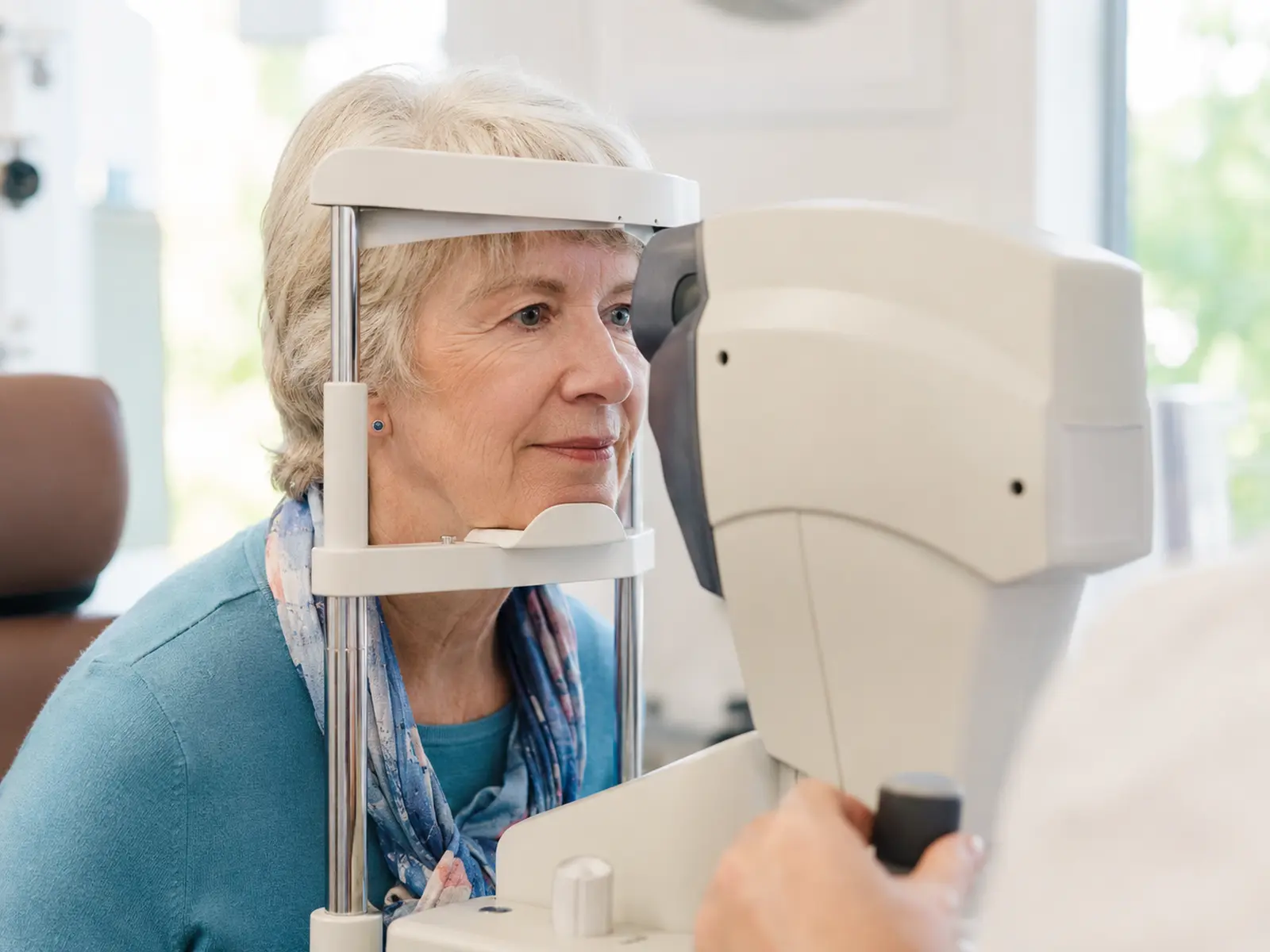
Why does previous LASIK change cataract planning?
Cataract surgery removes a cloudy natural lens and replaces it with an artificial intraocular lens, or IOL. The surgeon calculates its power using measurements of your eye. Because LASIK changes corneal curvature, formulas designed for eyes without prior laser correction may be less reliable.
Specialized calculations help account for that difference. Even with careful planning, the final glasses prescription can be less predictable than in an eye that has never had corneal refractive surgery. The American Academy of Ophthalmology’s review of IOL calculations after refractive surgery explains this challenge.
This is why the details of your history matter: LASIK for nearsightedness differs from treatment for farsightedness, and additional laser enhancements may also affect planning. Mention PRK or radial keratotomy (RK) if you had either procedure, even decades ago.
What should the evaluation cover?
The discussion should connect the measurements to what you want to see comfortably. Important questions include:
- Is a cataract responsible for the problem? Describe when blur or glare occurs, whether new glasses help and which activities have become difficult.
- How regular is the cornea? Mapping helps the surgeon understand its shape after LASIK.
- Is the eye surface healthy? Dryness or inconsistent measurements may need attention before the lens plan is finalized.
- Are there other limits on vision? Retinal, optic nerve or other eye conditions can affect expectations.
- What is the target for each eye? Explain whether your original LASIK corrected both eyes for distance or used monovision, with one eye focused closer.
The European Society of Cataract and Refractive Surgeons’ recommendations emphasize tailored assessment, specialized calculations after refractive surgery and shared decisions about the intended visual result.
Which cataract lens can you choose after LASIK?
A lens should be selected for your measurements and visual priorities. The most expensive option is not automatically the best match.
Monofocal and toric lenses
A monofocal lens is designed around one main focusing distance. Depending on the chosen target, glasses may still be needed for reading or other tasks. A toric design can address suitable corneal astigmatism. Your surgeon should explain what remains correctable and what a lens cannot fix.
Lenses that extend the range of vision
Some patients may be candidates for extended-depth-of-focus or multifocal options. The tradeoffs can include glare, halos and changes in contrast. Describe your night-driving needs and any visual symptoms you already had after LASIK. Ask whether your corneal findings support the proposed lens. Our guide to premium cataract lens options provides background for this discussion.
The Light Adjustable Lens
The Light Adjustable Lens allows the implanted lens power to be adjusted with controlled light treatments after surgery. It may be worth discussing when fine-tuning the refractive result is a priority. It requires additional visits and compliance with the prescribed UV-protective eyewear instructions; it does not guarantee perfect vision or suit every patient.
Read our Light Adjustable Lens overview. The AAO EyeWiki review of adjustable lenses describes how the treatment process and UV precautions work.
What should you bring to your Los Angeles consultation?
- Any LASIK records, including original measurements, operative reports and enhancement history.
- Your current glasses, recent prescriptions and a list of medicines and eye drops.
- A short description of your visual priorities: driving at night, computer work, reading or hobbies.
- Questions about recovery visits, transportation and any additional appointments required by the lens you are considering.
Missing records are a reason to explain your history carefully, not a reason to avoid an evaluation. Post-refractive calculation methods include options that work without the original measurements.
Before scheduling, request a written explanation of the recommended procedure, lens, expected need for glasses, and costs. Our cataract surgery cost guide can help you prepare questions about insurance and optional services. Confirm your individual benefits with the practice and your plan.
When is it time to consider surgery?
The decision generally depends on whether cataract-related vision loss interferes with daily life and whether the expected benefit outweighs the risks. The National Eye Institute’s cataract surgery guide explains that discussion. Surgery carries risks, including infection, inflammation, retinal detachment and a result that still requires glasses.
For someone who drives across Los Angeles regularly, difficulty with signs or headlights is worth describing specifically. Do not assume every new symptom is a cataract. Sudden vision loss, severe eye pain, new flashes or a sudden increase in floaters need prompt eye care.
Cataract surgery after LASIK: common questions
Can you have cataract surgery after LASIK?
Yes. Previous LASIK does not automatically prevent cataract surgery. It changes how the cornea focuses light, so your surgeon needs to account for it when measuring your eyes and selecting the replacement lens.
What if I cannot find my old LASIK records?
You can still have an evaluation. Bring any records you have and tell your surgeon about prior treatments or enhancements. Modern calculation methods include approaches that do not require the original measurements.
What is the best cataract lens after LASIK?
There is no single best lens for every post-LASIK eye. Corneal shape, eye health, measurement reliability, night-driving needs and your tolerance for glasses all matter. Ask why a particular lens is suitable for your findings.
Will cataract surgery remove my old LASIK correction?
Cataract surgery replaces the natural lens inside the eye; it does not reverse the earlier corneal reshaping. Both the cornea and the new lens contribute to the final prescription, and glasses may still be needed.
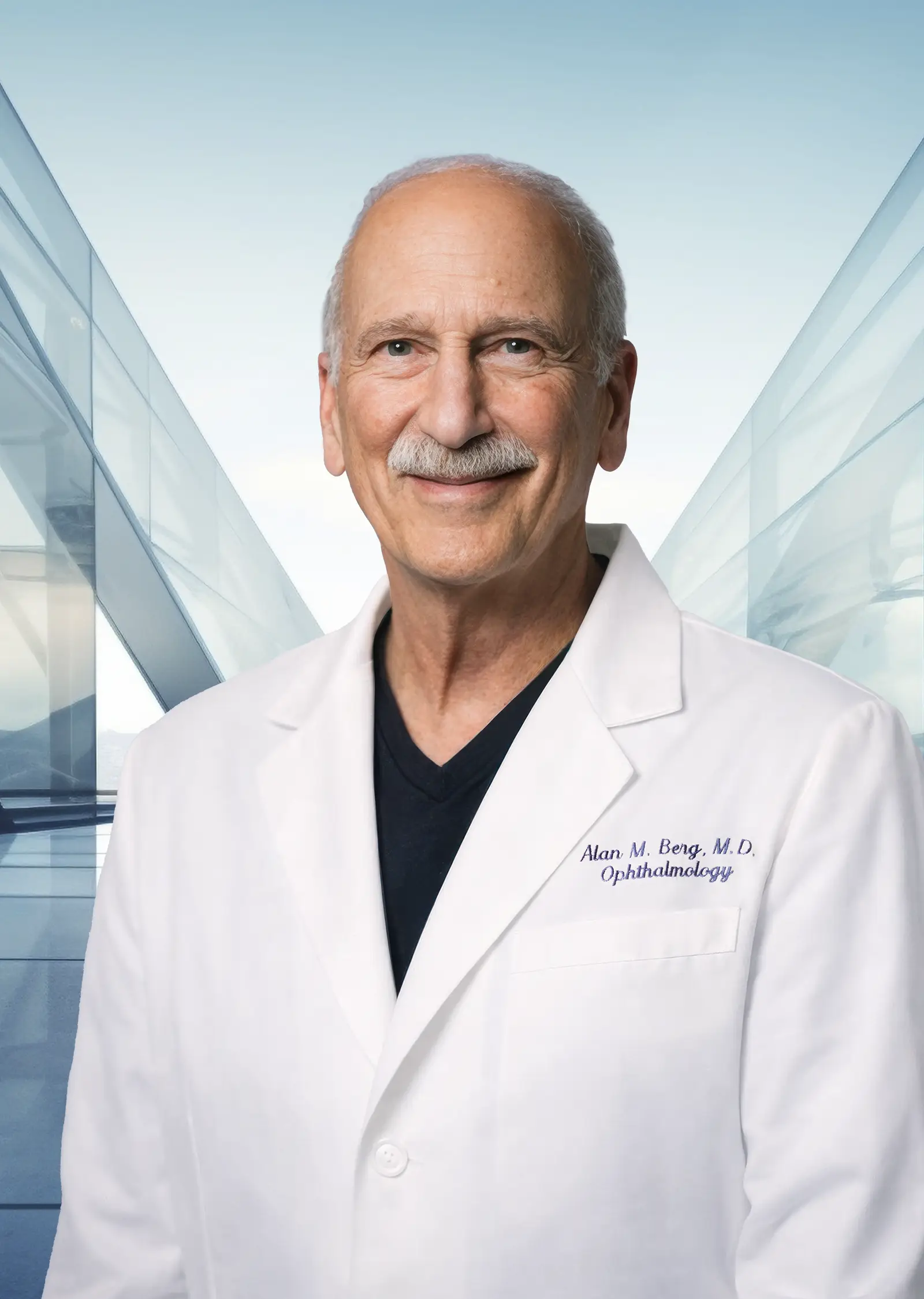
About Alan M. Berg, MD
Dr. Berg is a board-certified ophthalmologist and cataract and refractive surgeon at Berg-Feinfield Vision Correction in Los Angeles.
This article provides general education. An individual examination is needed to diagnose vision changes and choose a treatment or lens.
Bring your questions to a consultation
Berg-Feinfield serves patients across Los Angeles, with offices in Burbank, Sherman Oaks, Beverly Hills, Arcadia and Valencia. Tell our team which location works for you.
Request a Consultation