
How To Choose The Right LASIK Provider

Man with glasses and knit hat in front of brick wall

For many people, the hardest part about having LASIK is making the initial leap and deciding to have the surgery. And once you have done that, you face a new challenge: choosing a LASIK provider.
Choosing the right LASIK clinic will have a big impact on the service you receive and the experience you have during the surgery. Fortunately, there are many great options out there to choose from. With so many options available, however, it can be hard to know where to start.

Here are four things you should consider when choosing a LASIK provider.

The reviews

Before settling on a LASIK provider, you should always consider the reputation of that provider. Of course, even the very best provider will occasionally receive a negative online review. But you should look for a medical practice with a history of happy customers.

The experience of your surgeon

A qualified surgeon should be knowledgeable about the most up-to-date LASIK technology. Find out how long your surgeon has been performing LASIK surgeries and what their success rate is.

The pricing

You should consider the price of any LASIK provider but keep in mind that you should be wary of anyone that offers “too good to be true” pricing. An experienced surgeon will not be the cheapest option.

If you are unsure of how you will pay for the surgery, you can ask the clinic if they offer financing options.

The location of the clinic

Where is the clinic located? Is it a convenient distance from your home? Choosing somewhere that isn’t too far away will make it easier for you to return for follow-up visits.

Ultimately, your goal in choosing a LASIK provider is to find a surgeon and clinic who will provide you with the best and safest experience possible. At Berg-Feinfeld, we use the most current technology and make it our mission to provide you with the best possible experience. Contact us today to schedule your LASIK consultation with one of our doctors.

5 Medical Conditions That May Make You A Bad LASIK Candidate

Woman smiling at camera

Right now, you rely on glasses, contacts, or both, to be able to see clearly. These can be cumbersome and limit your active lifestyle. Although LASIK has helped millions of people reduce and even eliminate dependence on glasses, it is important to not assume that LASIK is the best option for you. The best way to determine if you are a good candidate is to be evaluated by your doctor.
Factors that determine candidacy for LASIK surgery include prescription stability for your contact lenses and/or eyeglasses, age (you must be at least 18), and corneal thickness. Corneal thickness notwithstanding, there are medical conditions you need to be aware of that may make you a bad candidate for the LASIK procedure. Some of these conditions may only temporarily make you ineligible for LASIK, while others may mean LASIK is not the right fit for you.

Read on to learn about 5 medical conditions that may make you a bad LASIK candidate.

Autoimmune Conditions May Be An Issue

LASIK candidates must be in good physical health. Certain conditions such as uncontrolled diabetes, autoimmune or collagen vascular disease may be an issue. LASIK candidates also cannot be on any medications or have any conditions that can compromise the immune system.

Eye Injuries

An eye infection or injury will take you out of the running for LASIK, but don’t fret; once you are healed up and cleared by your doctor, you may very well quality for LASIK surgery.

Nursing/pregnancy

Candidates should not be nursing or pregnant when undergoing LASIK surgery. Your fluctuating hormones may affect the stability of your vision. You will again be eligible to pursue LASIK surgery three menstrual cycles after you have discontinued nursing.

Fluctuating Prescription

Has your eyeglass or contact prescription changed in the last year? If so, you will not be considered as a LASIK candidate until your prescription has been stable for at least one entire year.

General Eye Health

A good LASIK candidate will not have eye diseases such as glaucoma or corneal disease, among others. LASIK candidates also will not suffer from optic nerve and retinal disease, as well as herpes simplex or herpes zoster. Those with good eye health but who have eye problems such as lazy eye, muscle imbalances, or active eye conditions that may influence healing should discuss their conditions with their doctors.

If your LASIK eye doctor deems you not to be a good fit for LASIK surgery, you may still be considered in the future. Laser eye surgery is not for everyone, however, and some patients — such as those with certain diseases involving the cornea and/or retina — will never be candidates. The best way for you to find out is by contacting Berg Feinfield Vision Correction for a thorough, no-obligation LASIK consultation.

Can LASIK Surgery Be Performed Twice?

Woman in hat back-lit by sunset

LASIK surgery is known for having an extremely high success rate. Around 98% of LASIK patients report satisfaction with their LASIK results after the first surgery. However, the other 2% of LASIK patients may experience vision regression due to undercorrection or changes in the eyes as they age. These issues can easily be corrected during a second LASIK surgery.

Why Does Vision Regression Happen After LASIK?

Although rare, LASIK patients may experience some regression in their vision after surgery. This means that, even if results were amazing immediately following surgery, their vision slowly returned (either partially or fully) to their pre-LASIK vision. This can happen very soon after surgery or a few years later, and can be caused by many things. In these circumstances, a second LASIK surgery is often called a “touch-up surgery” or a “LASIK enhancement”.

The first reason this may happen: undercorrection. If your vision was not properly corrected during your first LASIK surgery, it may take a second surgery to achieve the results you were hoping for. Undercorrection is rare, but be sure to report any changes in your vision to your eye doctor.

Another reason some patients need an enhancement surgery is that their eyes naturally change over time. During your initial LASIK consultation, you may recall that you needed to have a stable prescription for at least a year before undergoing LASIK. This is the reason. If your eyes are not fully developed at the time of surgery, you risk skewing LASIK results as your eyes change over the next few years. Of course, our bodies are unpredictable. This can occasionally happen to a person who got LASIK after having a stable prescription. In these cases, a LASIK enhancement surgery can get you back to the vision you want.

One more reason a person may experience vision regression after LASIK is the all-too-common vision problem called presbyopia. This condition affects almost anybody over the age of 40. Presbyopia causes patients to experience blurry near vision, even after LASIK. Because presbyopia affects the lens and not the cornea, this condition cannot be corrected through LASIK enhancement. There are other treatment options for presbyopia.

Who is a Candidate for LASIK Enhancement?

While LASIK enhancement is safe and successful, not everyone can safely undergo a second corneal surgery. The only way to know for sure is if you attend a LASIK consultation at our Los Angeles office. However, as a general rule, anyone who has developed eye diseases such as dry eye syndrome, glaucoma, or any corneal dystrophy in the time following their LASIK surgery is typically ineligible. The same goes for anyone who has sustained extensive injury to the cornea that would cause scarring.

Also, patients who experienced overcorrection (meaning too much corneal tissue was removed during the initial surgery) cannot have a LASIK enhancement. Doing this could compromise the integrity of the cornea, making it weaker and more prone to dystrophy.

Is The Procedure Different Than The First?

The LASIK enhancement surgery is not very different from initial LASIK surgery. The only difference is that the corneal flap will be reopened using a specialized tool, not a laser. The treatments will still happen using an excimer laser. It will still be as painless as the first procedure, and the recovery time is just about the same.

Interested in LASIK enhancement surgery? Contact our office in Los Angeles to schedule your LASIK consultation. Our highly skilled and experienced LASIK surgeons are here to help you achieve your vision goals. Call today!

What To Expect During LASIK Surgery

Smiling Woman without Glasses

If you are reading this, you are probably considering LASIK surgery. Here at Berg-Feinfield, we think it’s important for our patients to be prepared and know exactly what to expect on their surgery day. Eye surgery can be daunting, but knowing what to expect can bring you some peace of mind and prepare you for the recovery process. Here is everything you can expect during your LASIK surgery at Berg-Feinfield!

What Is LASIK?

LASIK surgery is a type of laser vision correction procedure. It is the most popular form of laser vision correction, with hundreds of thousands undergoing the procedure every year.

The goal of LASIK surgery is to correct common refractive errors like myopia (nearsightedness), hyperopia (farsightedness), and astigmatism. To do this, the surface of the cornea needs to be reshaped. Reshaping the cornea allows the light entering the eye to focus on the retina properly.

The LASIK Procedure: Step-by-Step

When you come to our office on your surgery day, you can expect the following. If you need to finish up any paperwork, you will do so before the surgery begins. The surgery will last around 15 minutes, and you will be able to go home right after the procedure.

Before the procedure, your surgeon will use local anesthetic eye drops to numb your eyes. Your eyelids will be gently propped open using a lid speculum, which will keep you from blinking during the surgery.

If you are getting bladeless LASIK, your surgeon will start out by creating a thin, hinged flap on the surface of the eye using a femtosecond laser. This laser is specialized to create thin, stable corneal flaps with little to no damage to surrounding tissue. Using a femtosecond laser makes this procedure completely blade-free.

Once the corneal flap is created, your surgeon will gently lift it back to expose the inner layers of the cornea. Next, your surgeon will use an excimer laser to remove microscopic amounts of corneal tissue, effectively reshaping the surface of the cornea.

When the cornea is sufficiently treated, your surgeon will smooth the corneal flap back into place. Because the first layer of the cornea is self-healing, there is no need for stitches after LASIK.

Does LASIK Hurt?

LASIK surgery is not painful. Your eyes will be numbed. The most discomfort you will feel during surgery is some pressure on the eye during treatment, but this should not be painful. During recovery, you may feel more discomfort, but Tylenol and over-the-counter eye drops will help for the first couple days. If you ever feel any significant eye pain following LASIK surgery, you should let your doctor know right away.

LASIK Recovery

Most patients are able to drive and return to work the day after surgery. For the first day, we recommend going home and taking a nap, and relaxing for the rest of the day. LASIK recovery is fairly straightforward and quick, and that is what draws many people to the surgery. While this may be true, it is important to follow the aftercare instructions given to you by your surgeon. This will ensure quick healing and great results!

By learning as much as you can about LASIK before undergoing the procedure, you’re sure to calm some fears as well as set yourself up for great results. If you would like to learn more about LASIK surgery and what to expect, contact Berg-Feinfield Vision Correction in the Los Angeles area.

How Insurance Covers LASIK and Other Laser Vision Correction Procedures

Nearly 60 percent of people in the U.S. need prescription eyewear to see well, including those struggling with nearsightedness, farsightedness and astigmatism. Those weighing options for vision correction naturally want to understand how insurance cover LASIK or other laser vision correction procedures. Part of choosing a procedure like LASIK is figuring out how to pay for the associated cost. Health plan holders often wonder if insurance covers LASIK in their vision benefits.

The good news is that some policies do offer some benefits that can help people wanting LASIK. However, because it isn’t considered a medical necessity, rarely is the entire cost of LASIK covered by insurance. Health insurance providers point to the fact that glasses and contacts offer adequate, safe vision correction. But patients struggling with glasses and contacts in living daily life certainly want to explore other options.

The first step, always, is having a complete exam to evaluate the health of the eyes and measure vision function to determine if a laser vision correction procedure is recommended. Once a patient is identified as a good candidate for a procedure, then a more informed discussion about the costs and coverage can occur.

How Insurance Covers LASIK

Vision insurance may be of some help. However, vision benefits are slightly different than standard medical or health insurance. Vision insurance plans are designed to reduce a patient’s costs related to routine preventative eye care. While most of the benefits relate to eye exams and prescription eye wear, some plans offer additional savings. Some of the larger vision insurance carriers offer specific laser vision correction benefits including:

  • Discounts on laser vision correction procedures
  • Higher discounts of up to 50% on procedures performed by in-network surgeons
  • Frame benefits for non-prescription sunglasses after vision correction surgery

Understanding how insurance covers LASIK can make a difference for some patients. Regardless of insurance plan, a laser vision correction patient should anticipate paying for some of the cost of the procedure. There are, however, many ways to pay for LASIK and other laser vision correction procedures including:

Financing Options

Many surgical practices offer patients financing plans for their portion of the costs of a procedure. Some patients qualify for very affordable interest rates and payment plans. Patients often use low or no interest credit cards or bank loans to help spread out the payments over time.

Flexible Spending Arrangements (FSA) or Health Savings Accounts (HSA):

Some employers offer access to an FSA or HSA to allow employees to set aside tax-free money that can later be used for a qualified procedure such as LASIK. The U.S. Internal Revenue Service currently caps accounts at $2,600 for an individual FSA or up to $3,400 in an individual HSA.

Bonuses, Gifts and Refunds

Unanticipated financial windfalls offer a tremendous opportunity for patients to invest in excellent vision by helping to offset the costs associated with a laser vision correction procedure.

It’s good to know benefit and human resource managers are great resources for details about the benefits offered by an insurance plan or other benefits such as FSAs and HSAs. Employees and policy holders who are interested in understanding what vision and other benefits are available in a specific plan should contact the either the insurance provider directly, or ask for assistance from the employer benefits manager.

In conclusion, knowing insurance covers LASIK with benefits and savings is helpful to those who are interested in improving their vision with a laser vision correction procedure. Once it is firmly established a patient is a good candidate following a thorough eye exam with a highly qualified surgeon, exploring the options for savings, coverage and payment is a logical next step.

Original Source

Benefits To Having LASIK Surgery You Might Not Expect

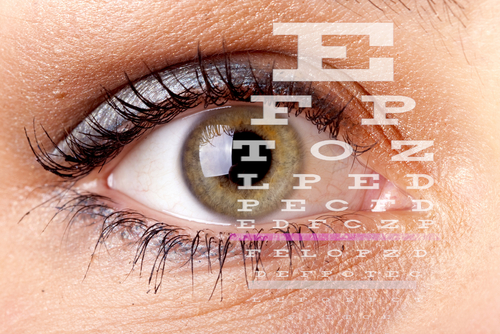
Close up of eye with eye chart overlay
It is a well-known fact that LASIK is an optical surgery designed to permanently correct your vision. In most cases, patients who undergo LASIK experience a drastic improvement in all aspects of their vision. Here are four aspects of your vision that might see an improvement that are less well known:

1. Reduced Levels of Allergic Symptoms:In some cases, patients claim to experience a lot less allergy symptoms after having LASIK. The claim to suffer from less sinus pain and fewer headaches as well due to not having to have a pair of glasses rest on their nose. Eyes are irritated less often as well due to not having to take contacts in and out of your eyes on a daily basis.

2. Boosted Peripheral Vision:While your central vision is improved, the peripheral aspects of your vision also see a noticeable boost in clarity when compared to the alternative glasses. Glasses don’t wrap perfectly around the eyes, so your peripheral vision actually ends up getting distorted and is blurred.

3. Better Nighttime Vision:While a small percentage of LASIK patients still experience seeing mild glare/halos after undergoing LASIK surgery, the vast majority say their nighttime vision has improved beyond anything they had experienced before. You will no longer need to deal with light reflecting off your lenses. Contacts have a habit of drying out your eyes as well, which causes you to experience fuzzy nighttime vision. Without having to deal with corrective lenses your nighttime vision is much clearer.