
Nutrients in Food and How They Affect Your Eye Health

When it comes to nutrition, we have a lot of options available for us when we go to the grocery store every day. What we eat can have an effect on our health and ultimately that effects every part of our body. Even our eyes can be effected by our diet, so making smart choices with what we eat could possibly be the difference between clear or blurry as we get older.

Here is a list of nutrients that you should work into your daily diet to keep your eyes healthy:

Lutein and Zeaxanthin: These are essential antioxidants that can reduce your risks of developing chronic eye disease, such as age-related macular degeneration. Zeaxanthin is considered to be the most active antioxidant in the macula.
Recommended food sources: dark leafy greens vegetables, eggs, broccoli, kiwi, grapes, goji berries.

Vitamin A: These vitamins are considered to help the cornea, retina and other eye tissue. Some studies suggest that vitamin A can help your night vision.
Recommended food sources: fish, milk, beef liver, eggs, spinach and carrots.

Vitamin C: This antioxidant is said to lower your risks of developing cataracts and slows the progression of age-related macular degeneration.
Recommended food sources: oranges, peppers, cauliflower, papaya, berries, brussels sprouts.

Vitamin E: Another strong antioxidant that is said to protect your eyes cells from damage caused by harmful free radicals.
Recommended food sources: almonds, pecans, sunflower seeds, vegetable oils and peanut butter.

Essential Fatty Acids: While fats tend to be something that you are told to cut in a healthy diet, there are some fats that are good for you. Omega-3 fatty acids are said to play an important role in maintaining consistent retinal function.
Recommended food sources: salmon, tuna, anchovies, trout, walnuts and green vegetables.

5 Tips to Keep Your Eyes Healthy

Like the rest of our bodies, our eyes are affected by our health, so it is important that we keep our health in our consideration if we want to maintain good vision. Here are a few easy ways you can help to maintain the health of your eyes as you get older.

Eat right: Eating a nutrition rich diet full of vegetables and fruits is an important piece of the good eye health puzzle. Kale and Spinach are great examples of leafy greens that are essential in your diet for proper eye nutrition. Some studies have also shown that eating fatty fish with high levels of omega-3 fatty acids such as, salmon and halibut can have eye health benefits.

Use protective eyewear: Before going out on the football field, make sure you are taking the necessary precautions to protect your vision with the application of protective eyewear. Protective eyewear is important for more than just football players however, so make sure that you get your protective eyewear on before doing anything very active outdoors.

Wear sunglasses: When you go outdoors, make sure you equip those cool shades. Besides being a fantastic fashion accessory, sunglasses also play an important role in protecting your eyes from the sun’s ultraviolet rays.. Make sure your sunglasses block out 99% – 100% of UV-A and UV-B rays.

Control your weight: This goes hand-in-hand with eating right. Becoming obese can dramatically increase your risks of developing diabetes and other health problems, that can cause vision loss. Those who are obese can develop diabetic retinopathy or possibly glaucoma. If you are having difficulty controlling your weight then it is probably for the best for you to contact your physician.

Handle contact lenses properly: If you are a contact lens user, then it is important that you are cleaning your lenses regularly and not overusing them. It is easy to cut corners with simple daily routines, but cutting corners with your contact lens hygiene can prove dangerous for your eyes health. Serious eye infections and complications can occur by exposing your eyes to bacteria trapped onto the contact lens.

Top 4 Myths About Your Eyes

Intense Woman's Eyes

There are a lot of myths and misconceptions about our eyes. I’m sure you’ve heard of the old myth where if someone hits you in the back of the head while you are crossing your eyes they will get stuck. Well, that is just one of the many silly myths that have come up over the years. The American Academy of Ophthalmology publishes a list of these myths on their website, but here is our “Top 4 Myths About Your Eyes.”

  1. “Reading in dim light can damage your eyes” – Reading in a dim light will most likely cause you to strain your eyes, which creates discomfort, but it doesn’t necessarily cause harm to your eyes.
  2. “Children can outgrow having crossed eyes” – If left untreated, young children that suffer from strabismus, or “crossed eyes,” can develop poor vision in one eye. Many of those who suffer from strabismus will require the use of surgery, eyeglasses, patches, or a combination of all of them to correct their vision.
  3. “Wearing corrective lenses or contacts will make you dependent on them” – This myth can be dangerous because children who suffer from high refractive errors require corrective lenses or they run the risk of never developing normal vision. If contacts are worn over extended periods of time without being taken out, it can cause damage to the cornea and increase your risk of eye infection.
  4. “Being visually impaired can cause learning disabilities” – While it is true that learning disabilities are generally caused by how the brain processes what it sees, they are not related to vision problems. Attention-Deficit Disorder (ADD) and Attention-Deficit Hyperactivity Disorder (ADHD) are two learning disabilities that influence your concentration which affects your ability to learn. Children who have vision problems do have a difficult time learning because they can’t see what is on the board, or read their school books.

It is important to know what is truth and what is myth, because some of these myths can do more harm than good. If you ever have any questions about these eye myths, it is best to see your eye doctor.

5 Vitamins and Nutrients that Should be a Part of Your Diet

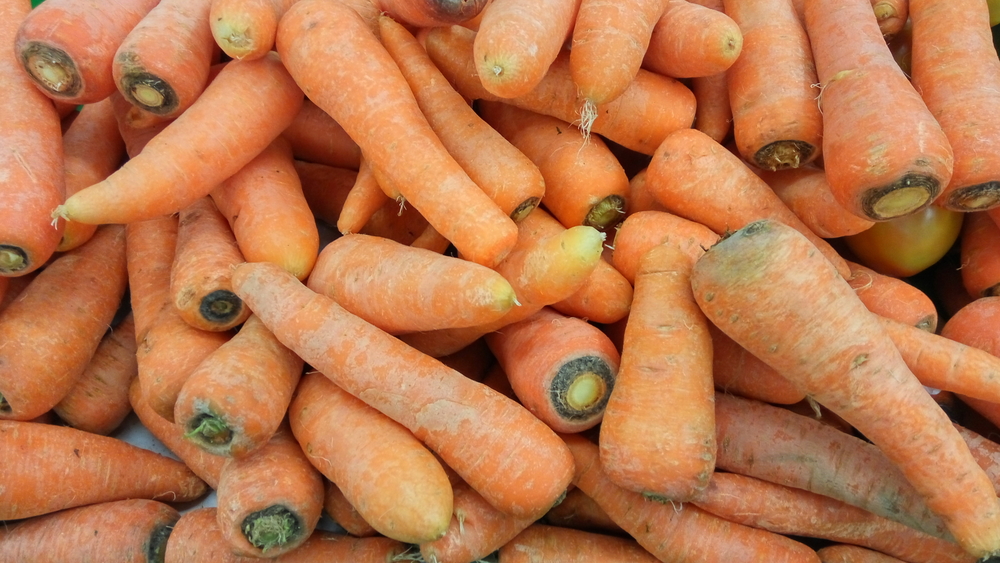
Lots of Carrots

Everyone has heard that they should be eating more carrots to improve their eyesight. This is because of the high levels of beta-carotene that is found in carrots which is said to be essential in maintaining healthy eyes. There are actually quite a few different vitamins and nutrients that are considered to be good for your eye health.

Here are 5 other vitamins and nutrients that you should consider adding to your daily intake:

Zeaxanthin and Lutein: These are considered to be important nutrients for your eye health and can be easily added to your diet through the addition of leafy green vegetables and eggs. Quite a few studies have been done that point to a diet with ample lutein and zeaxanthin reducing your risks of developing chronic eye disease, such as age-related macular degeneration and cataracts.

Vitamin C: Found primarily in fruits and vegetables, Vitamin C is an antioxidant. Studies suggest that vitamin C can lower your risk of developing cataracts and taken in conjunction with other vitamins and nutrients it is said to slow the progression of age-related macular degeneration.

Vitamin E: Considered to be a strong antioxidant, vitamin is found in high concentrations in nuts and sweet potatoes. Studies suggest that vitamin E helps to protect cells in your eyes from free radicals that can cause damage to your eyes fragile tissue.

Essential Fatty Acids:
 These are fats that are considered to be an important part of our diets. These fats are said to fuel our cells, boost our immune system and even maintain our nervous system. Studies show that omega-3 fatty acids are also considered to be important in maintaining proper eye health and retinal function. Fatty such, such as salmon are great sources of omega-3 fatty acids.

Zinc: This mineral is considered to play an essential role in transferring vitamin A from our liver to our retinas, which produces melanin—a pigment that helps to protect our eyes. Zinc concentrates heavily in our eyes, but predominantly in the retina. Studies suggest that ensuring you are receiving ample amounts of zinc in your daily diet will help to protect the inner workings of your eye.

3 Ways To Reduce Your Symptoms Of Digital Eye Strain

Happy Office Worker

Pretty much everyone uses computers or digital devices for something today. We are constantly exposed to digital screens either at work or in our personal lives and this constant exposure can lead to some eye strain over time. Not a lot of people are familiar with the issues of digital eye strain, even though they could be suffering from it on a daily basis.

According to the 2016 Digital Eye Strain report from the Vision Council 10,000 Americans were surveyed about their eyes and 65% of those Americans suffered from one or more symptoms of digital eye strain. Symptoms of digital eye strain typically include: dry or irritated eyes, blurred vision, eye fatigue and headaches.

So what is Digital Eye Strain?

Well “digital eye strain” can encompass a lot of different symptoms, but ultimately it is the discomfort you start to feel after using digital devices for extended periods of time. There are some simple things that can be done to help protect your eyes from digital eye strain due to daily exposure to digital devices, such as:

Avoid glare on your digital devices screen – Glare can make it difficult to view content on your digital devices screen, which can result in you straining your eyes to see. This will inevitably lead to digital eye strain if left unresolved, luckily you can purchase anti-glare filters for most digital devices.

Don’t forget to blink – This is in fact possible, studies suggest that we blink 66% less often when using a digital device. Blinking is essential in maintaining the health of the surface of your eye and in maintaining clear vision.

Utilize the 20-20-20 rule – It’s easy to lose track of when people using digital devices, but it is important to remember to take short breaks intermittently throughout digital device usage. The 20-20-20 rule suggests that for every 20 minutes you use a digital device, you should spend 20 seconds looking at something that is at least 20 feet away. This purpose of doing this is to refresh your eyes and give them a chance to readjust.

4 Quick Fixes for Your Eye Nutrition

Young woman holding grapefruit in front of her eye

Most people try to eat healthy and take their daily vitamins, but it is easy to forget and cut corners when you’ve had a busy week. It is easy to take our eyes for granted, but they are the second most physiologically active part of our bodies—second only to the brain! This means our eyes required approximately 25% of the nutrients we take in daily to remain healthy. With this blog, we are going to talk about some easy things that can be done to your daily diet to help boost your eyes nutrition.

Here are four quick nutritional fixes that can help to maintain your eye health:

Quick Fix #1: Beans and/or brown rice make a great side dish

Beans and brown rice can complement almost any meal and they are also both fantastic sources of Zinc! Zinc helps to improve your bodies absorption of Vitamin A as well as aids in antioxidant enzyme functions. Zinc is said to help to protect your eyes from developing macular degeneration and night blindness.

Other sources: Shellfish, Cashews, Beef and Spinach

Quick Fix #2: Add some Flaxseed to your smoothies

Who doesn’t love a delicious and nutritious smoothie? Now, time to take that tasty smoothie to the next level! Add in some flaxseed! Not only will this add more depth to the flavor, but it will provide high levels of Omega-3 fatty acids which is said to help maintain a healthy retina.

Other sources: Walnuts, Halibut, Soy and Salmon

Quick Fix #3: Strawberries for dessert

Despite can actually play an important role in your nutrition if you are eating the right things. Strawberries are delicious and sweet, but also provides more Vitamin C than Oranges per serving! Increasing your Vitamin C intake can help to reduce your risks of developing cataracts.

Other sources: Oranges, Kiwis and Sweet Red peppers

Quick Fix #4: Snack on some almonds

Hey! Whoever said snacking is a bad thing? Instead of grabbing that bag of potato chips, grab a handful of delicious almonds! Just a handful of almonds contains enough Vitamin E to fulfill your daily nutritional requirements. Vitamin E plays an important role in helping to maintain your eyes lubrication, which keeps the surface of your eyes refreshed.

Other sources: Vegetable Oil, Pine Nuts, Sunflower Seeds and Tomatoes

How You Should Be Protecting Yourself from the Sun

Bright Sun In Sky

Do you like to spend a lot of time outdoors? Spending time in the sun, camping, hiking—these are all things that are great outdoors activities, but it is important to make sure you are taking the right steps to protecting yourself from the sun’s rays. Most people know to protect their skin from the sun, but the dangers the suns ultraviolent (UV) rays pose to your eyes are much less common knowledge.

In light of this, we wanted to take the time to share some information with you regarding UV eye safety and how you can better protect your vision when spending a lot of time outdoors. Here are five things people can do to cut their risk of eye damage from the sun:

  1. Choose the right pair of sunglasses – Not all sunglasses provide the same coverage and contrary to popular belief, the darkness of the lens does not determine if the lens blocks UV rays. Only sunglasses labeled as having “100% UV Protection” or “UV400” will protect your eyes from the sun’s harmful UV rays. Even if the weather is overcast you should still wear sunglasses as the suns UV rays still pass through cloud cover and can damage your eyes.
  2. Don’t look directly at the sun – I think this should probably go without saying but “DON’T STARE AT THE SUN!” Yes, this can be very damaging for your eyes and can even lead to irreversible damage in certain rare cases. Staring directly at the sun can cause holes to burn in your retina—this condition Is called “solar retinopathy.”
  3. Read the labels on your medication – According to a recent survey, one in three adults use medications that can potentially make your eyes more susceptible to UV damage. Some of the common medications that can cause these problems include: Birth control, psoriasis treatments, antibiotics and estrogen pills. If your medication increases your eyes susceptibility to UV damage, then it will be labeled as “causing photosensitivity.” If you see this one the label, make sure to protect your eyes and skin from too much sun exposure.
  4. Wear more hats – Sunglasses are a necessary investment for your fun in the sun, but you shouldn’t underestimate the effectiveness of a hat in regards to blocking sunlight. A combination of both is the best way to ensure your eyes are getting the protection they need from the sun’s harmful UV rays.
  5. Drive with UV protection – Studies have shown that car side windows on average only block 71 percent of UV rays, in contrast to the front windshield which blocks 96 percent on average. According to studies, only approximately 14 percent of car side windows provide high enough levels of UV protections to guard your eyes and skin from the sun.

Four Back-to-School Eye Health Recommendations

Girl with school supplies

It is that time of year again! Back-to-School! Millions of parents around the country are rushing to stores to buy all the newest school supplies and outfits. While you are going through your list of school supplies make sure to not skip your child’s eye health.

You can’t underestimate the importance of ensuring your children have healthy eyes and good vision during the course of their education. Having healthy vision is essential in ensuring academic success no matter what the age. Children are especially susceptible to vision problems during their education because they are still growing so it is important that parents remain vigilant about their eye health. If we can identify vision problems in your children earlier, then the damage can be minimalized.

To ensure your child’s vision stays healthy throughout the school year, the American Academy of Ophthalmology has these recommendations:

  1. Regular eye exams for your child – As mentioned earlier children’s eyes experience rapid changes due to their body still growing and maturing, this makes regular eye exams that much more important to detect these problems as early as possible before they have an effect on your child’s academic success.
  2. Make sure your child is wearing protective eyewear while playing sports – Injuries from outdoor activities like Sports are fairly common, but what is less known is that eye injuries from this activity happen pretty commonly. Some of these injuries can be serious and cause permanent damage to your child’s vision, so it is important that they are using the right protective eyewear for their outdoor activities.
  3. Know your families eye health history – Knowing your families eye health history is important because you can inform the eye doctor of the history when your child is undergoing an eye exam. This provides your eye doctor with a little insight and helps them know what to be on the lookout for as your child continues to grow. Common vision conditions include: nearsightedness, farsightedness and lazy eye. It is important these are cart early so as to minimize the damages.
  4. Be on the lookout for signals that there might be a problem with your child’s vision – It is important to be vigilant with detecting symptoms of vision problems. If your child starts to complain about issues involving recurring headaches, eyestrain and you notice he/she is squinting a lot when reading then it is time for a visit to the eye doctor. If your child’s grades also begin to suddenly drop that could also be caused by problems with their vision.

Eating Healthier? Improve Your Eye Health with These Diet Tips

Closeup of fruit salad

More and more people are making the decision to make healthier food choices every day. Generally, the goal is to improve heart health and lose weight, which are both valid and great goals, but certain foods can also actually help your eye health and reduce your risks of developing certain eye diseases. Studies have shown that your risks of developing cataracts, macular degeneration and dry eye can be reduced if you make healthier food choices.

Here are a few different food groups that you should explore adding to your diet:

Orange Vegetables and Fruits

As I’m sure most people know, carrots are considered to be good for your eye health. This is because they have high levels of Beta Carotene in them—a precursor to Vitamin A and the reason for the orange color. If a fruit or vegetable is orange, chances are there is high levels of Beta Carotene involved. Beta Carotene helps to improve your vision at night and in dark environments. Look to add squash, carrots, apricots and/or pumpkin to your diet for a healthy boost to your eye health.

Dark Green Vegetables

If you haven’t already jumped on the kale band wagon, you might want to consider it. Dark green vegetables like kale, spinach, broccoli and collard greens all include two essential nutrients—lutein and xeaxanthin. Both of these important nutrients are known to help reduce damage to your cells and slow the effects of macular degeneration—a progressive vision loss eye disease that is seen in many senior citizens.

Fatty Fish

The omega-3 fatty acids that are commonly found in salmon, tuna and sardines have been known to help reduce your risks of developing eye inflammation and dryness—this in turn helps to reduce your risks of developing dry eye and macular degeneration. Adding some oily fish to your diet is not only good for your overall eye health, but also has health benefits for your heart.

Nuts

Vitamin E is considered to be a powerful antioxidant that can help if you have issues with heart disease and glaucoma. Glaucoma is a serious eye disease that can cause major vision loss if not monitored carefully. Certain studies have shown that vitamin E can also reduce the progression of vision loss from cataracts. Nuts are a great source of Vitamin E, but be careful you aren’t over eating them because they are high in sodium and calories.

For more information on how you can build your diet around improving your eye health, consult your eye doctor and they can help you review your options.

Beyond The Cool: How Sunglasses Protect Your Vision

Hand Holding Sunglasses In Front Of Sunset

Sunglasses have been synonymous with the idea of “cool” for a long time and it isn’t hard to imagine why. It is hard to picture sunglasses without thinking about Tom Cruise rocking aviators while riding on a motorcycle. Sunglasses have been an important fashion accessory in our society for a long time now, but it is important to make sure your sunglasses aren’t just form and have some function as well.

Picking the right pair of shades can help to reduce wrinkles on your face from increase sun exposure as well as protect your eyes and prevent them from getting red and dry. The sun’s ultraviolet (UV) rays can cause permanent damage to your eye health if not blocked by UV protective eyewear.

Yes, you read that correctly, UV eye protection is important when picking out those slick looking shades. As mentioned above, the suns UV radiation can cause irreparable damage to your eyelids, cornea, lens and many other areas related to your eye. There is also plenty to data to show that excessive UV radiation exposure to your eyes can increase your risks of developing cataracts, pterygium and macular degeneration.

You might be asking yourself, “how do I know if the sunglasses I want block those UV rays?” Well Here is a little buyers guide to help you pick out sunglasses that no only look good, but also protect your vision:

  • Make sure they are listed to block 99 – 100 percent of both UVA and UVB rays
  • Screen 75 to 90 percent of visible light
  • Ensure that the lenses are free from distortions and imperfections before you buy them
  • For the most accurate color recognition possible, we recommend picking gray tone lenses

Despite popular believe, the level of darkness your lenses provide have nothing to do with how much UV rays are blocked. It is also recommended that you consider choosing wraparound and/or close-fitting sunglasses to give your eyes the maximum amount of UV ray protective coverage.