Dr. Alan Berg explains epi-on corneal cross-linking (Epioxa) for keratoconus in Los Angeles: how it works, epi-on vs. epi-off, candidacy, teens, cost, and where to be seen.
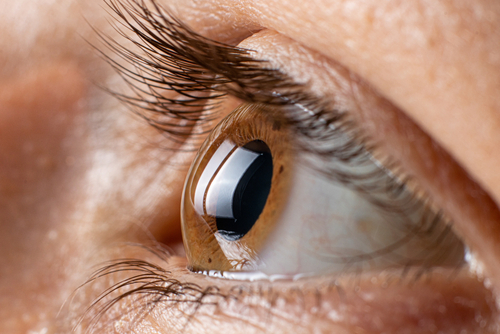
Keratoconus is an eye condition that causes thinning and bulging of the cornea. It happens slowly over a long period and usually affects younger people between the ages of 10 and 25.
The cornea helps refract light through your eye. When it begins to bulge, it affects the way light passes through it, causing blurry vision.
A stronger eye prescription can correct mild keratoconus. But as long as the cornea continues to bulge, your eyesight will continue to worsen.
Luckily, there’s a treatment that is often able to stop the progression of keratoconus. Keep reading to learn more about keratoconus and how you can treat it.
What Causes Keratoconus?
The actual cause of keratoconus is still unknown. But, it mainly affects young adults and adolescents.
There are other factors associated with it, as well. These factors include:
Frequent eye rubbing
A family history of keratoconus
Medical conditions like asthma, retinitis pigmentosa, and Ehlers-Danlos Syndrome
If you or your child is at risk for keratoconus, it’s essential to have regular eye exams. Also, be sure to share your medical history with your eye doctor.
If diagnosed in the early stages, it’s easier to stop the progression of the condition. Halting the progression of keratoconus can prevent significant corneal warping.
What are the Symptoms of Keratoconus?
The main symptom of keratoconus is the bulge it causes in your cornea. Once it grows big enough, other people can see this bulge in your eye.
The bulge causes other symptoms to arise in your vision. These symptoms include blurry vision, light sensitivity, and frequent prescription changes.
If keratoconus goes untreated, the bulge will continue to grow. As it gets larger, the visual disturbances it causes will worsen. That’s why your eye prescription will continue to change.
These symptoms are like the symptoms of other eye conditions. They resemble the effects a refractive error may have on your eyesight, especially in younger patients.
To be sure you have keratoconus, you need a diagnosis from an eye doctor. They will tell for sure if you have it or if your vision problems are from something like astigmatism.
How is Keratoconus Treated?
The primary treatment for keratoconus is a more powerful prescription or better contacts. In some cases, you can have contacts made to fit the cone-like shape of your cornea.
But these measures can only manage the condition. They cannot stop or reverse its progression. The best treatment to slow or stop the bulging is something called corneal cross-linking or CXL.
CXL is an outpatient treatment done at your eye doctor’s office. It uses riboflavin eye drops and ultraviolet (UV) light to strengthen your cornea.
The ultraviolet light gets shined in your eyes to activate the riboflavin. Activating the riboflavin strengthens the bonds between collagen fibers in your cornea.
These stronger, more rigid bonds prevent the cornea from thinning and bulging. Often, this treatment can stop the progression of keratoconus.
Although, it cannot reverse any bulging of the cornea that has already occurred. So, cross-linking is most effective in the early stages of keratoconus as it can prevent further vision loss.
If keratoconus isn’t treated early enough, the cornea can bulge so much that it causes vision loss. At that point, the only treatment option is a corneal transplant.
A corneal transplant is a more serious treatment than CXL, but it can restore your vision.
Are you or your child exhibiting signs of keratoconus? It’s vital to see your eye doctor right away for prompt diagnosis and treatment.
Schedule an appointment at Berg-Feinfield in Sherman Oaks, CA. Vision loss from keratoconus is preventable with timely treatment!
As we get older we start thinking more and more about health and conditions we may be prone to getting. This is something you think about a lot when thinking about your eye health in particular. One condition that can start to develop as you get older is Primary Open-Angle Glaucoma. This is the most common type of glaucoma and it occurs gradually over time. When you have this condition, your eye does not drain fluid as well as it should, similar to a clogged drain. Because of this the eye pressure continuously builds up and this starts to cause damage to your optic nerve. This type of glaucoma is painless and causes no vision changes at first which is why it is commonly overlooked and not detected immediately.
Since Primary Open-Angle Glaucoma starts out with minimal to no warning signs or symptoms it is vital that you are having your eyes regularly examined. Eye exams are always important but become increasingly important as you age and could start developing these sometimes silent conditions. A regular eye exam will allow you to detect Glaucoma sooner and give you time to protect your vision. This is important to keep in mind because in the United States alone Glaucoma has left 120,000 blind.
Now that you know what Primary Open-Angle Glaucoma is and how severe it can be if it goes unrecognized it is important to take the next steps to protect yourself from this condition that could leave you blind. You can do this by scheduling an eye exam regularly to detect any warning signs of this condition as well as numerous other conditions that can negatively impact your eye health.
It is well known that smoking is the leading cause of serious health conditions that affect your lungs, heart, and much more. What most people don’t know is how smoking negatively impacts your eyes and puts you at an increased risk of developing cataracts, diabetic retinopathy, age-related macular degeneration, and dry eye syndrome. Read more about how smoking increases the risks of developing these conditions.
Cataracts is an eye disease that causes your natural lens to cloud. Studies have shown that smoking doubles your chances of developing cataracts. These chances continue to rise as you smoke more and more. Right now Cataracts is the leading cause of blindness in the world and smoking only continues to put you at a higher risk of developing a Cataract.
Diabetic Retinopathy is a condition that occurs when there is damage to the blood vessels in the tissue at the retina. This disease occurs in people who suffer from diabetes and is the leading cause of vision loss in people who are dealing with diabetes. By smoking, you’re twice as likely to develop diabetes which puts you at risk for Diabetic Retinopathy, as well as numerous other diabetes complications.
Age-Related Macular Degeneration (AMD) is when your macula, the small center of the retina starts to deteriorate. When this part of your eye starts to deteriorate you start to lose your sharp, central vision making it difficult to do everyday tasks. Smoking puts you at three times the risk of developing Age-Related Macular Degeneration.
Dry Eye Syndrome occurs when your eyes aren’t producing enough tears to lubricate the eye. Smoking cigarettes is known to cause dry eye because the smoke is a well-known eye irritant. When your eyes are exposed to tobacco smoke it increases your symptoms of Dry Eye which include eye redness and itchiness.
It is important to know the risks that are associated with smoking when it comes to your total health, including your eyes. By quitting smoking you can help reduce your risks of developing one of these eye conditions!
When your eyes stop producing enough tears needed to nourish your eyes, you could start having to deal with a condition known as Dry Eye. Without enough tears to provide the necessary lubricant the eye needs you may experience some of these symptoms listed below as a result:
• Scratching sensation
• Dry, itchy, or burning eyes
• Trouble focusing because of dryness
• Redness
• Light sensitivity
Dry Eye is an extremely common condition with over 3 million reported cases every year, so if you are experiencing these symptoms—you are not alone. Dry eye can occur because of a multitude of reasons but commonly is a result of dry air, allergies, unsanitary contacts, or looking at a computer screen/reading for an extended period.
Here are some ways that you can help relieve your symptoms of Dry Eye:
Take frequent breaks from your computer/reading:It is important to take frequent breaks from looking at a computer screen or reading for a long time to give your eyes the break they need. Studies show that people blink a lot less when staring at computer screen, so don’t forget to blink! It’s important to remember to blink often when working on a computer or reading to keep your eyes hydrated.
Wear sunglasses:By wearing sunglasses outside you not only will protect your eyes from damaging UV rays but you will reduce your exposure to the wind and direct sunlight that can dry out your eyes.
Take care of your contacts:If you are experiencing the symptoms of dry eyes and wear contact lenses it is important to make sure that you are not keeping them in your eyes for an extended period. Keep your contact lenses nice and clean as well or you risk not only worsening your dry eye symptoms but also put yourself at increased risk of potential eye infections.
Drinking plenty of water:Dry eyes may be a signal your body is giving that you are dehydrated. Staying hydrated is an important aspect of our overall health and by staying hydrated you will decrease your risk of getting dry eye.
Increase the humidity:By increasing the humidity in your home and workplace you can help lessen your symptoms of dry eye. It is suggested to get a humidifier and clean it frequently to help with dry air you may be exposed to.
With age comes many amazing things, like wisdom and experience from the world around you. But what many people don’t expect is for their eyesight to change. Eye health is important no matter what age you are, but older, aging eyes require a yearly comprehensive eye exam. Before your next eye exam, make sure you know about these common eye conditions!
1. Cataracts
Does your vision feel like it’s become less clear over the years? If you’re in your forties, fifties, or sixties, you may have developed cataracts. Cataracts occur when the lens of the eye becomes cloudy, making your vision less clear.
With cataracts, the world around you will become harder and harder to see, as it lacks the precision and clarity you may have been used to in your youth. The good news? Cataracts are easily treatable with laser surgery. Cataract surgery is one of the most common eye surgeries performed, making it safe and easy to recover from. For cataracts that go untreated permanent, and severe vision loss can occur.
2. Dry Eye
Living in a digital age has many pros and cons. One great thing about the digital world is how connected we are to the world around us, no matter where we may be. But increasingly, people are finding this may not be the best thing, especially for your vision. Sitting in front of laptops, second monitors, tablets, and smartphones means we’re almost never disconnected from technology.
This constant connection means your eyes are taking the brunt of the damage in the form of eye strain. Along with eye strain, many people are suffering from dry eye. Dry eye occurs when the eye’s tear film is negatively affected. Sufferers of dry eye could have dry, scratchy eyes, or eyes that tear up uncontrollably. Although there is no cure for dry eye, there are treatments available like artificial tears, eye drops, and punctal implants that can help control the symptoms of dry eye. Even if you aren’t diagnosed with dry eye, it’s important to take frequent breaks away from your computer screens and devices.
3. Glaucoma
Glaucoma is often thought of as the silent thief of eyesight and vision. Glaucoma develops when pressure in the eye is higher than normal. The only way to know for sure if you have glaucoma is to go to your yearly comprehensive eye exams. Your eye doctor will be able to determine if the pressure in your eye is at a normal and healthy level.
It’s also important to let your eye doctor know if anyone in your family has had glaucoma, as it can be something you are predisposed to genetically. If glaucoma is untreated, it will lead to peripheral vision loss, and even blindness. Glaucoma can be treated in a variety of ways, including medicated eye drops, surgery, or lasers.
Want to learn more about these common eye conditions? There’s never been a better time to schedule an appointment to talk to your eye doctor. Keeping up to date on yearly comprehensive eye exams will keep your eyes in the best health possible!
Conjunctivitis, or “Pink Eye” as it is more commonly known, is a common eye problem that can be treated relatively easily and avoided using a few simple precautions.
Pink eye is something anyone can develop, but it is seen more prominently among younger age groups where children are less cautious about exposure to germs. Students in schools of all levels are at an increased risk because of the increased levels of exposure to germs from other students, this makes it hard for teachers to avoid as well.
What is “Pink Eye?”
Pink eye occurs when the clear covering on the white of the eye—this is called conjunctiva—becomes inflamed. Despite being transparent, the conjunctiva actually contains blood vessels that overlay the sclera of the eye. When something causes inflammation in the eye the blood vessels in the conjunctiva dilate causing your eyes to become red and “bloodshot.”
Conjunctivitis can have several causes (see below), but many eye doctors use the term “pink eye” to refer only to viral conjunctivitis, a highly contagious infection caused by a variety of viruses.
Conjunctivitis can be caused by a multitude of different things, but there are precautions you can put in place to reduce your risk of having to deal with this irritating eye affliction:
Avoid sharing items you wash your face with such as hand towels, washcloths, and tissues.
Remember to cover your mouth and nose when coughing and/or sneezing and then make sure to not rub or touch your eyes.
Never under any circumstances should you share your contact lenses with a friend.
Don’t forget to wash your hands frequently, particularly if you are spending time at a public place where germs are more widespread.
Always keep some hand sanitizer handy and use it when you don’t have access to soap and water.
Clean surfaces that regularly are exposed to a lot of bacteria such as bathroom vanities, sink handles, phones, and kitchen countertops with the proper antiseptic cleaner.
Be wary of your allergies. Pollen can cause your eyes to become very irritated and can bring on symptoms of conjunctivitis. Ask your doctor what you can do to reduce your allergy symptoms.
If you are a contact wearer it is important that you follow your eye doctor’s instructions to the letter in regards to lens care and placement. Make sure to use contact lens solution regularly for your re-usable lenses or consider switching to daily disposables.
Always wear goggles while swimming to protect your eyes from bacteria and other microorganisms that reside in the water, these have been known to cause conjunctivitis.
Before bathing yourself always be sure to remove your contact lenses so that bacteria doesn’t get trapped between your eyes and the contact lenses.
If you believe you might be developing a case of Pink Eye, make sure to call your Eye Doctor so that the proper treatment can be prescribed.
Research conducted by scientists studying infants with the Zika virus in Brazil have discovered new dangerous eye complications that can be linked to the virus. These eye complications can lead to possible severe vision loss and even possibly complete vision loss. Three Brazilian infants that have microcephaly—a birth defect caused by Zika that causes shrunken heads and brains in newborns—have been observed of also having hemorrhaging, abnormal blood vessel development and retinal lesions. This has never been observed before by researchers.
Close to 1.5 million people have been diagnosed with the Zika virus thus far in Brazil, a staggering figure, and 4,000 infants have been born with microcephaly. Due to the staggering number of people infected with Zika, the World Health Organization (WHO) has declared a public health emergency. A previous study on 29 babies in Brazil that had Zika induced microcephaly displayed evidence that one-third of those infected would develop eye problems of some nature.
Here are 3 eye related complications that researchers believe can be caused by the Zika virus:
Hemorrhagic retinopathy – a condition in which the retina, the light sensitive area at the back of your eye, begins to bleed.
Abnormal vasculature in the retina – A condition in which your eye is missing important blood vessels in the retina.
Torpedo maculopathy – Appropriately named after the torpedo-shaped lesions that form in the macula—the central part of the retina—of the eye.
BERG-FEINFIELD · AFTER HOURS
Meet Claire.
Questions about your vision? Talk with our AI assistant about LASIK, cataract surgery, or general eye care.
AI assistant for general information, not medical advice or emergency care. AI can make mistakes. Confirm medical information with your eye care professional.