Smooths Lines From Movement
Relaxes the muscles behind the “11s,” forehead lines, and crow's feet so the skin can lie flat. Results typically last three to four months.

Botox performed by an ophthalmologist who has worked with botulinum toxin since 1986 — by appointment in Burbank and Sherman Oaks, serving Beverly Hills, Studio City, Encino, Toluca Lake, Pasadena, Arcadia, and Valencia.

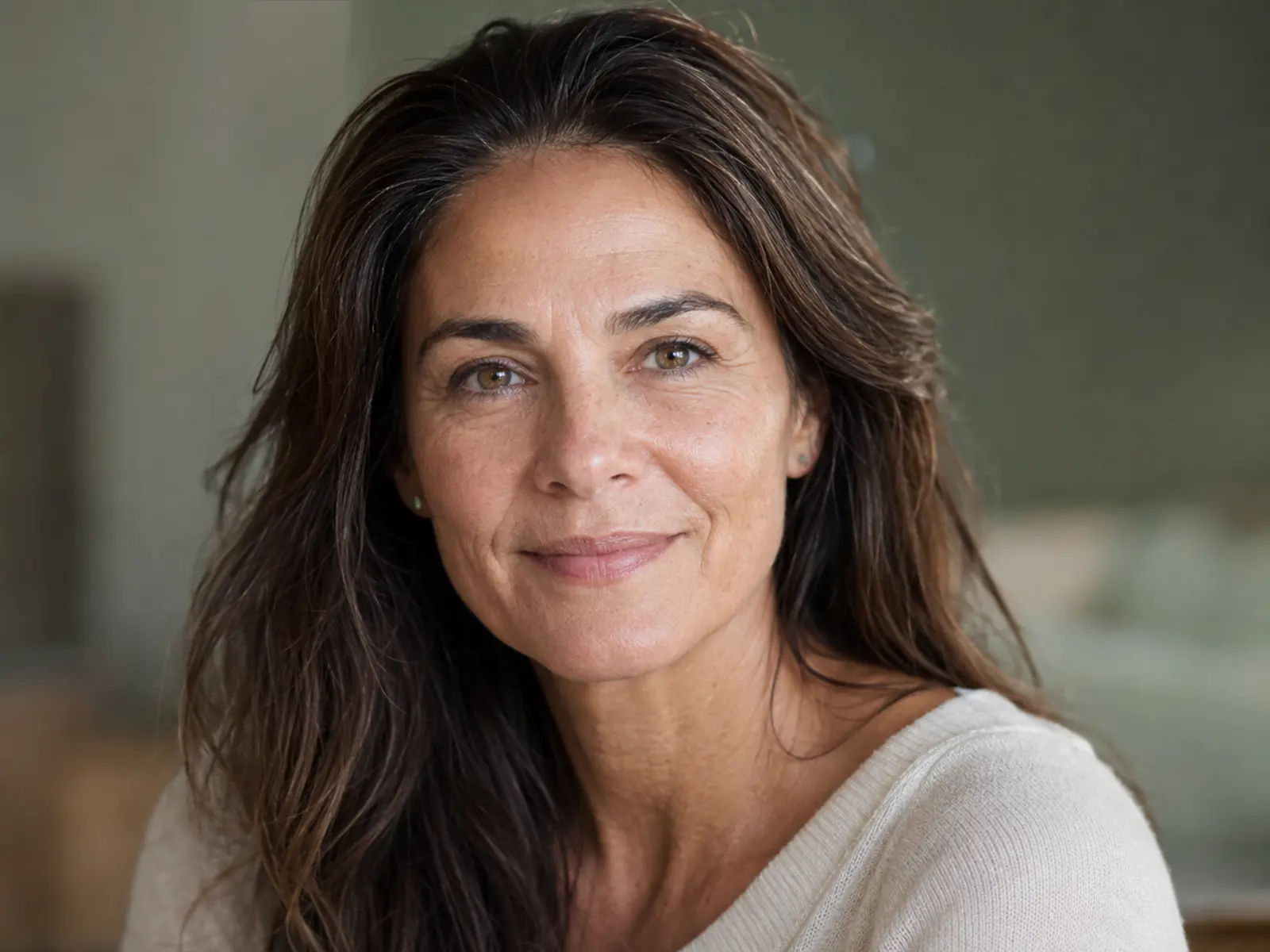
Botox treats lines caused by movement. Repeated squinting, frowning, and raising the brows create creases at the points of motion, and over time the skin begins to hold those folds. Botox relaxes the specific muscles behind them for three to four months so the skin can lie flat again.
A simple test tells you whether Botox is the right tool: if a line is only there when you move, it's a Botox candidate. If it's visible with your face fully relaxed, the crease is etched into the skin and needs filler instead — Botox can't smooth what a muscle isn't actively holding in place. Many patients benefit from both.
See Common Treatment AreasA quick, in-office treatment that softens the lines of expression while keeping your face looking like itself.
Relaxes the muscles behind the “11s,” forehead lines, and crow's feet so the skin can lie flat. Results typically last three to four months.
The injections take about five to ten minutes. Any small pinkish spots fade within an hour, and most patients return to their day right away.
Conservative dosing keeps the brow expressive and the smile intact. We under-treat at the first visit and add at a two-week follow-up if you want more.
These are the regions we evaluate and treat most often, with typical unit ranges for each. A full upper face usually runs 40–50 units total.
The two vertical lines between the brows from frowning or concentration. Usually 20–25 units — one of the most common areas for Botox.
Horizontal lines from raised brows. 10–20 units depending on muscle strength, dosed conservatively to keep the brow expressive.
Lines that fan out from the outer corners of the eyes when smiling. 6–12 units per side, softening the lines without flattening the smile.
The lines that appear when you scrunch your nose. A small, precise dose that finishes the upper-face plan.
Smaller, targeted treatments — about 4–8 units. A lip flip adds upper-lip fullness without filler; a chemical brow lift raises a heavier brow.
Softens a downturned resting mouth by relaxing the depressor anguli oris — the muscles that pull the corners of the mouth down.
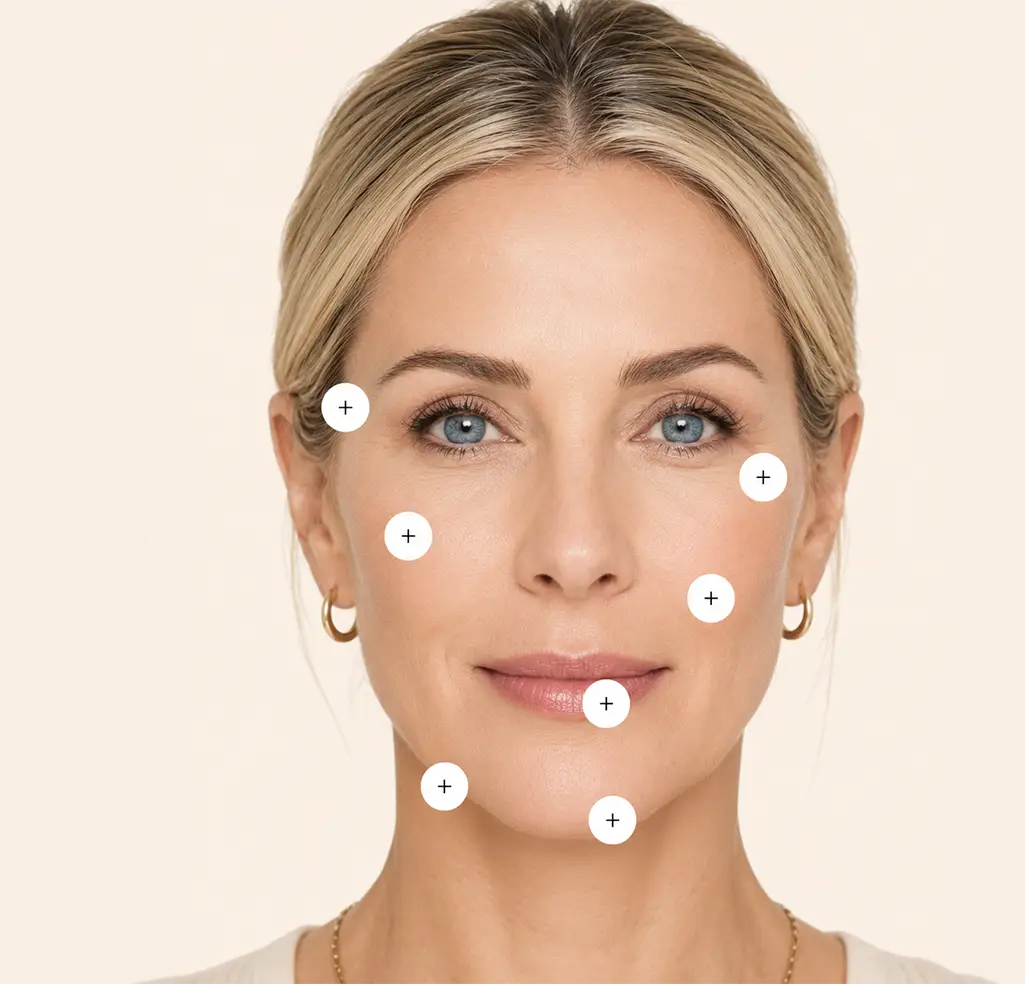
You'll get the specific unit count and price before any product is opened.
A first visit runs about thirty minutes. We talk first — what's bothering you, what you've had done before, and what you're trying to avoid. Dr. Feinfield watches your face at rest and in motion, then walks through a plan with specific unit counts before anything happens.
The injections themselves take five to ten minutes. Topical numbing is available if you want it, though most patients find the needle fine enough to skip it. If you're new, we schedule a follow-up at the two-week mark in case anything needs adjusting, since the full effect lands at day ten to fourteen.
Schedule a Consultation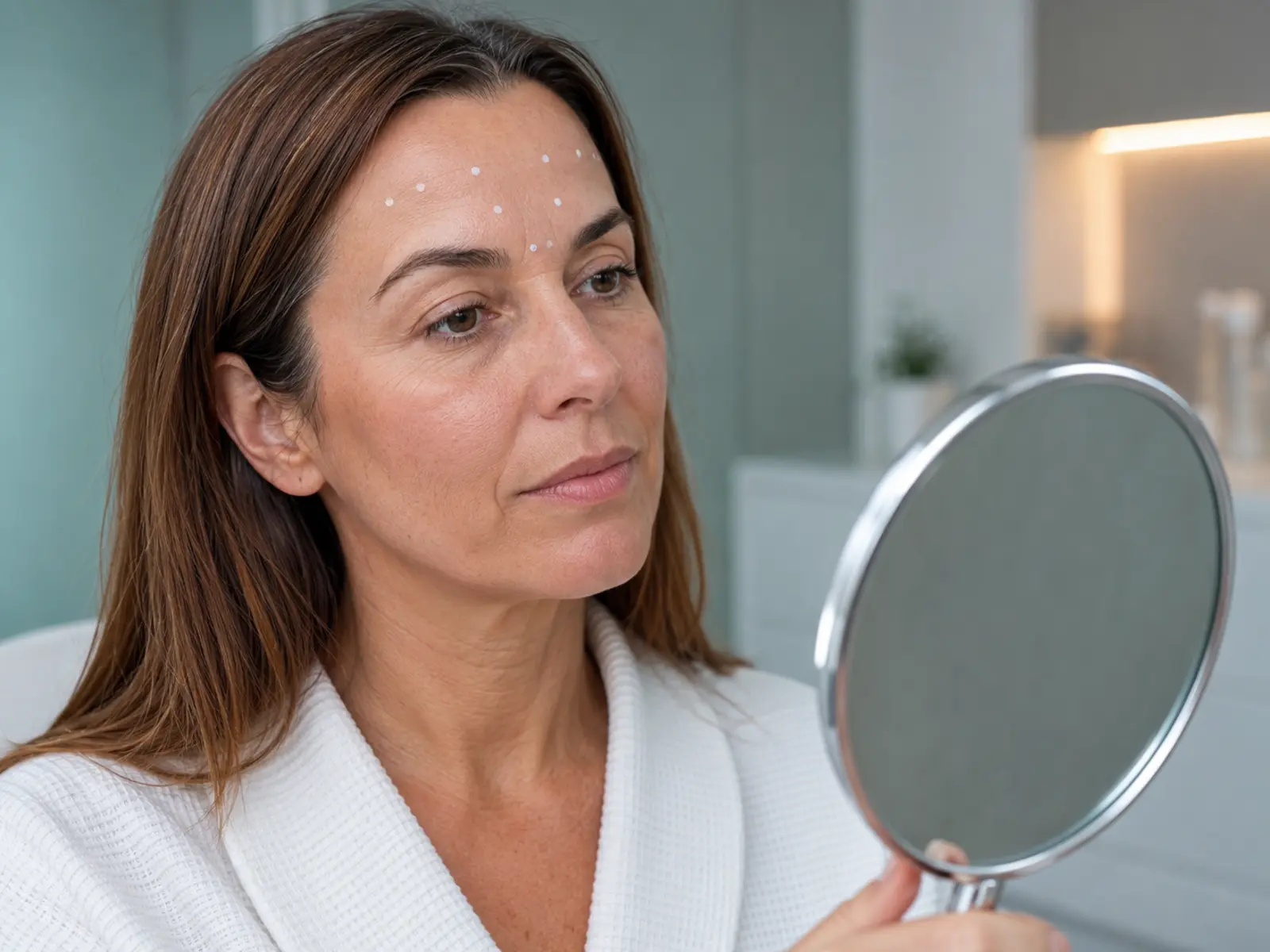
A few small adjustments before your visit help it go smoothly, and the aftercare is light. You'll see softening around day three and the full effect at day ten to fourteen.
Skip alcohol for 24 hours. If medically appropriate for you, hold aspirin, ibuprofen, fish oil, and vitamin E for the week prior, since they thin the blood and raise the risk of bruising. Never stop a prescription medication without consulting your prescriber.
Small pinkish spots fade within an hour, and mild bruising is uncommon. Stay upright for four hours and skip the gym that day. You'll feel softening around day three, with the full effect at day ten to fourteen. Results last three to four months.
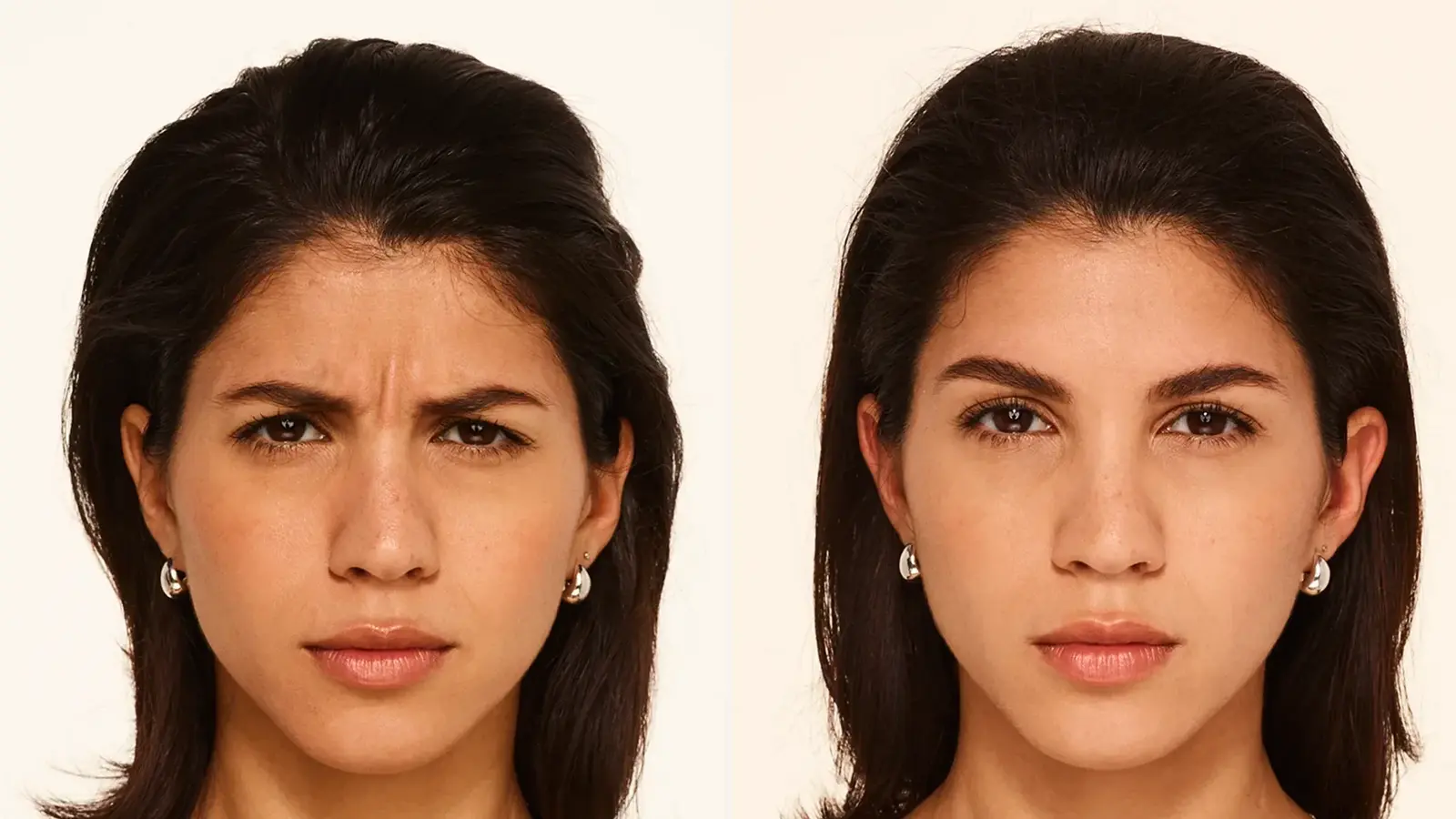 Individual results vary. Photos of actual patients, shown with consent.
Botox at Berg-Feinfield is performed by Dr. Robert Feinfield, an ophthalmologist who has worked with botulinum toxin since 1986 — sixteen years before its FDA approval for cosmetic use.
The forehead and brow are the most-requested — and least forgiving — Botox areas. Ophthalmologists train for years on this exact anatomy.
Dr. Robert Feinfield began working with botulinum toxin in 1986, sixteen years before its FDA approval for cosmetic use.
We under-treat at the first visit and add at a two-week follow-up if you want more. We can't subtract, so we start with less.
We map your specific muscle anatomy, at rest and in motion, before any unit is opened — the difference between a subtle result and a frozen one.
You'll get the specific unit count and price before any product is opened, with a follow-up to refine the result for new patients.
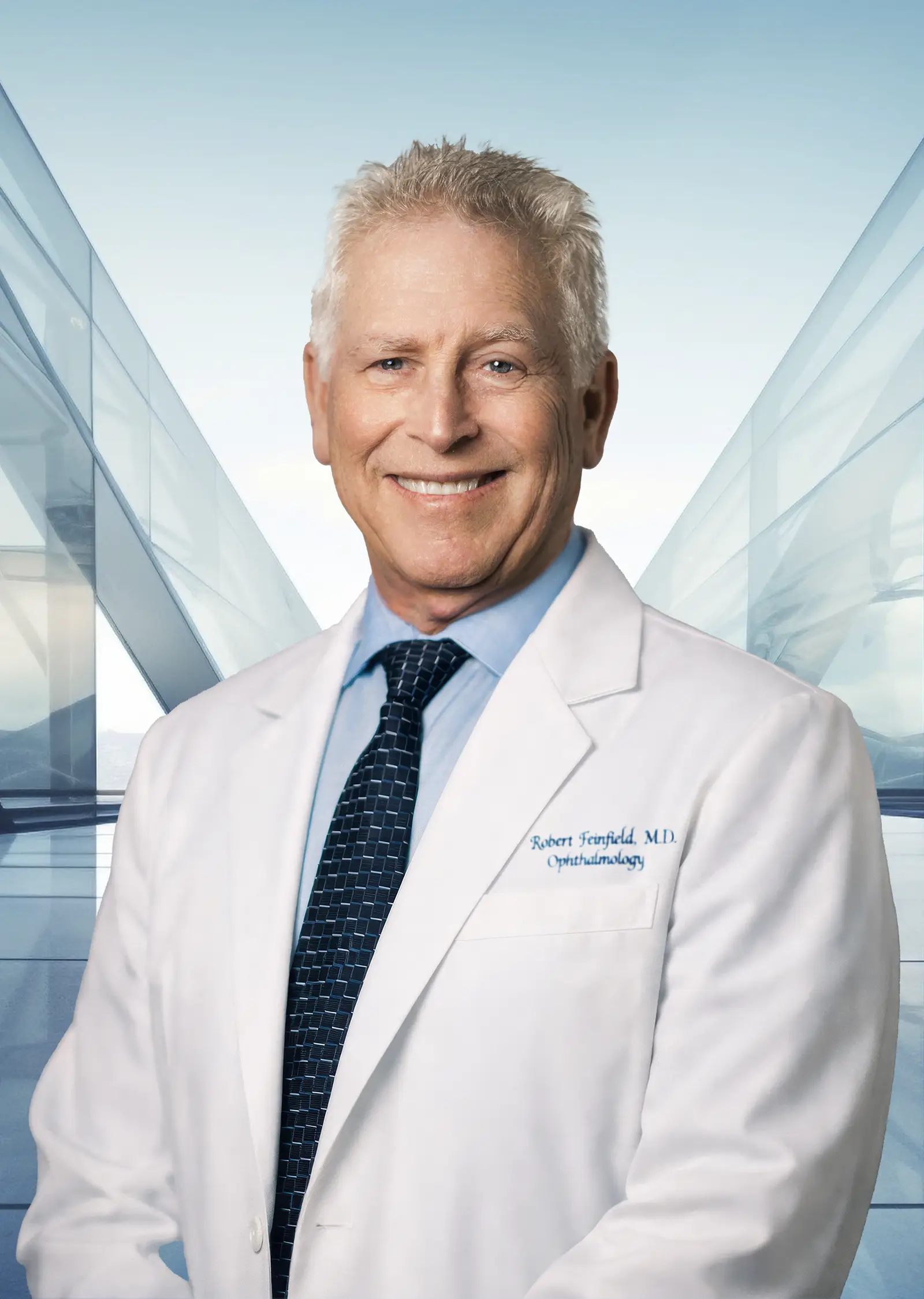
Botox in Los Angeles by an ophthalmologist who has worked with botulinum toxin since 1986. Call us or request a consultation online — Burbank and Sherman Oaks appointments available.
BERG-FEINFIELD · AFTER HOURS
Questions about your vision? Talk with our AI assistant about LASIK, cataract surgery, or general eye care.
Talk with ClaireAI assistant for general information, not medical advice or emergency care. AI can make mistakes. Confirm medical information with your eye care professional.