The Healthy Cornea
Smooth and dome-shaped, with organized collagen fibers that precisely focus incoming light onto the retina.

If you're experiencing progressive blurriness, extreme light sensitivity, or frustrating changes to your eyeglass prescription, you may be living with keratoconus. Specialized care — and a clear path forward — is here, with FDA-approved corneal cross-linking available across five Los Angeles-area locations.

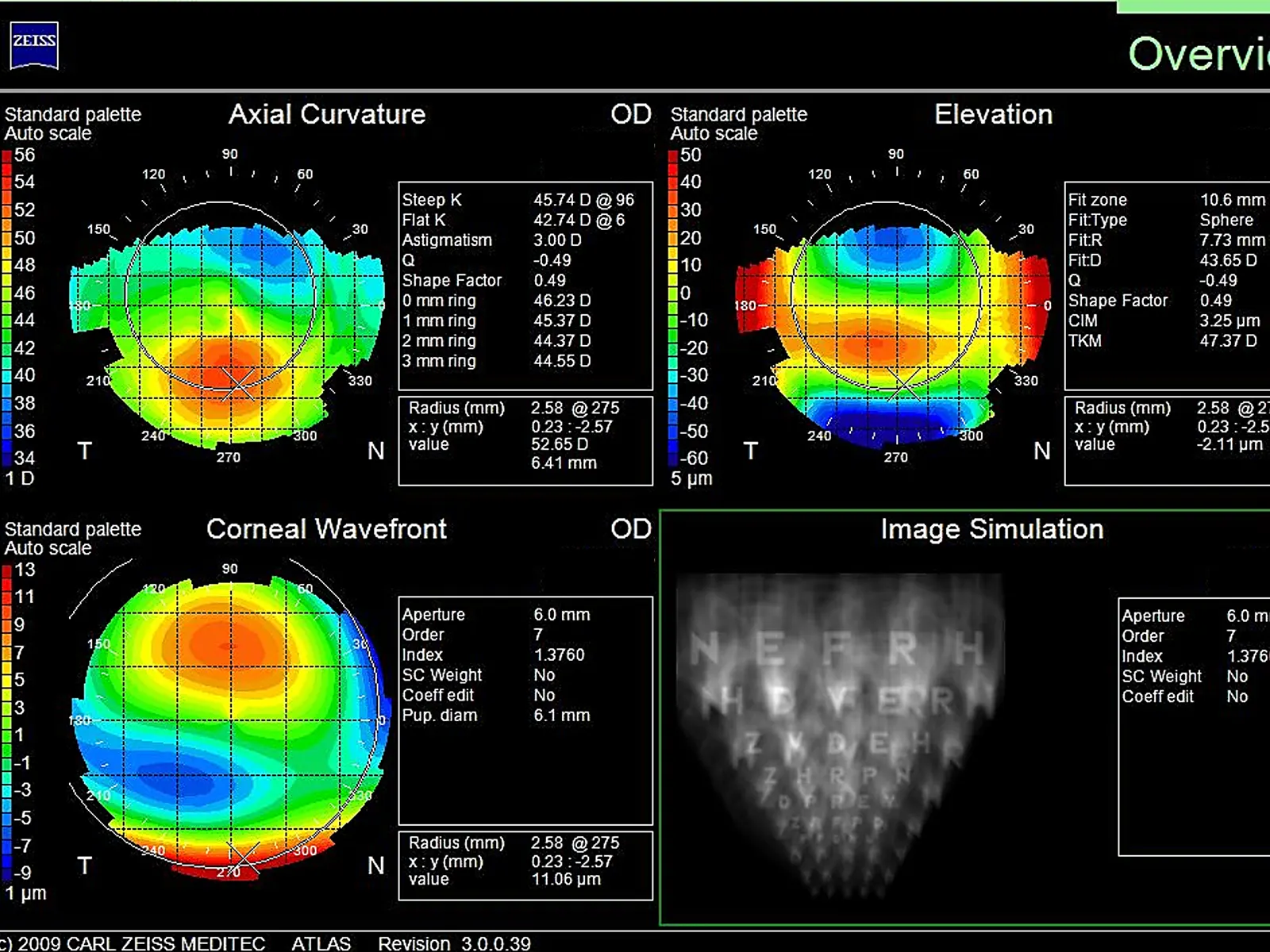 Corneal topography. Individual presentation varies.
The cornea is the clear, dome-shaped front window of your eye, made largely of a highly organized matrix of collagen fibers. Its main job is to bend, or refract, light so that it focuses precisely on the retina, giving you a sharp, clear image.
Keratoconus is a progressive, non-inflammatory disease in which those collagen fibers weaken. As the cornea loses structural integrity, it gradually thins and bulges outward into an irregular, cone-like shape. Because the cornea focuses light, this distorted shape scatters it as it enters the eye, causing significant visual impairment that standard eyeglasses cannot easily correct.
See Treatment OptionsKeratoconus develops in stages as the cornea weakens and changes shape — understanding the progression explains why early detection matters so much.
Smooth and dome-shaped, with organized collagen fibers that precisely focus incoming light onto the retina.
The collagen fibers lose their structural integrity, allowing the cornea to progressively thin over time.
The weakened cornea bulges forward into an irregular cone, scattering light rather than focusing it.
Scattered light causes distorted, blurry vision that standard glasses cannot correct, requiring specialized intervention.
Keratoconus often begins in the late teens or early twenties and can progress slowly over 10 to 20 years. Catching it early lets us halt the thinning before severe vision loss occurs.
Progressively blurred or highly distorted vision, often described as “ghosting” or seeing multiple images.
Increased sensitivity to light (photophobia) and debilitating glare in bright conditions.
Halos or starbursts around lights that make night driving incredibly difficult.
Frequent changes to glasses or contact lens prescriptions as astigmatism rapidly worsens.
Eye strain, headaches, and general visual fatigue throughout the day.
Advanced corneal topography creates a detailed 3D map of your eye, detecting the earliest microscopic steepening long before significant vision loss.
If you've been told your prescription keeps changing, or you simply can't see clearly no matter how new your glasses are, keratoconus may be the reason — and an evaluation can give you answers.
The exact cause is still being researched, but studies point to a combination of genetic predisposition, cellular imbalances, and environmental factors.
Roughly 1 in 10 people with keratoconus have a parent or family member with the condition. If you have a family history of corneal disease, regular eye exams are vital.
Some research suggests keratoconic corneas lack the antioxidants needed to protect against everyday damage, leading to the progressive weakening of collagen fibers over time.
A major, highly preventable risk factor. Repeated rubbing physically traumatizes and weakens the cornea. Because it's often linked to allergies, atopic dermatitis, and dry eye, treating those underlying conditions is a key part of managing keratoconus.
Our goal is twofold: stop the disease from getting worse, and rehabilitate your vision. The right treatment depends on your severity, corneal thickness, age, and topography — every patient gets a personalized roadmap, not a generic protocol.
Specially formulated Riboflavin (Vitamin B2) drops are applied to prepare the corneal tissue to respond to UV light treatment.
A precisely controlled therapeutic beam of UV-A light activates the Riboflavin and triggers the cross-linking reaction.
New molecular “cross-links” form between the weakened collagen fibers, stiffening and stabilizing the cornea to halt further progression.
Corneal Cross-Linking (CXL) is the gold standard for stopping keratoconus progression — a revolutionary outpatient procedure that strengthens the cornea and prevents further thinning or bulging, often avoiding the need for a corneal transplant.
FDA-approved in October 2025 and now available in Los Angeles. Berg-Feinfield is the first practice in Los Angeles to offer Epioxa — a less invasive, transepithelial approach that delivers the biomechanical benefits of cross-linking without surgically removing the cornea's outer epithelial layer.
The sensitive surface layer of the eye remains completely untouched, meaning far less pain during recovery.
Without an epithelial wound to heal, most patients return to normal activities within days rather than weeks.
Keeping the epithelium intact greatly reduces the risk of post-operative infection and corneal haze.
Cross-linking stabilizes the cornea and protects the vision you have, but it isn't designed to correct vision like LASIK. After the cornea is stabilized, specialty lenses restore the clearest possible sight. We partner with trusted specialty-lens practices to connect each patient with the right ongoing care.
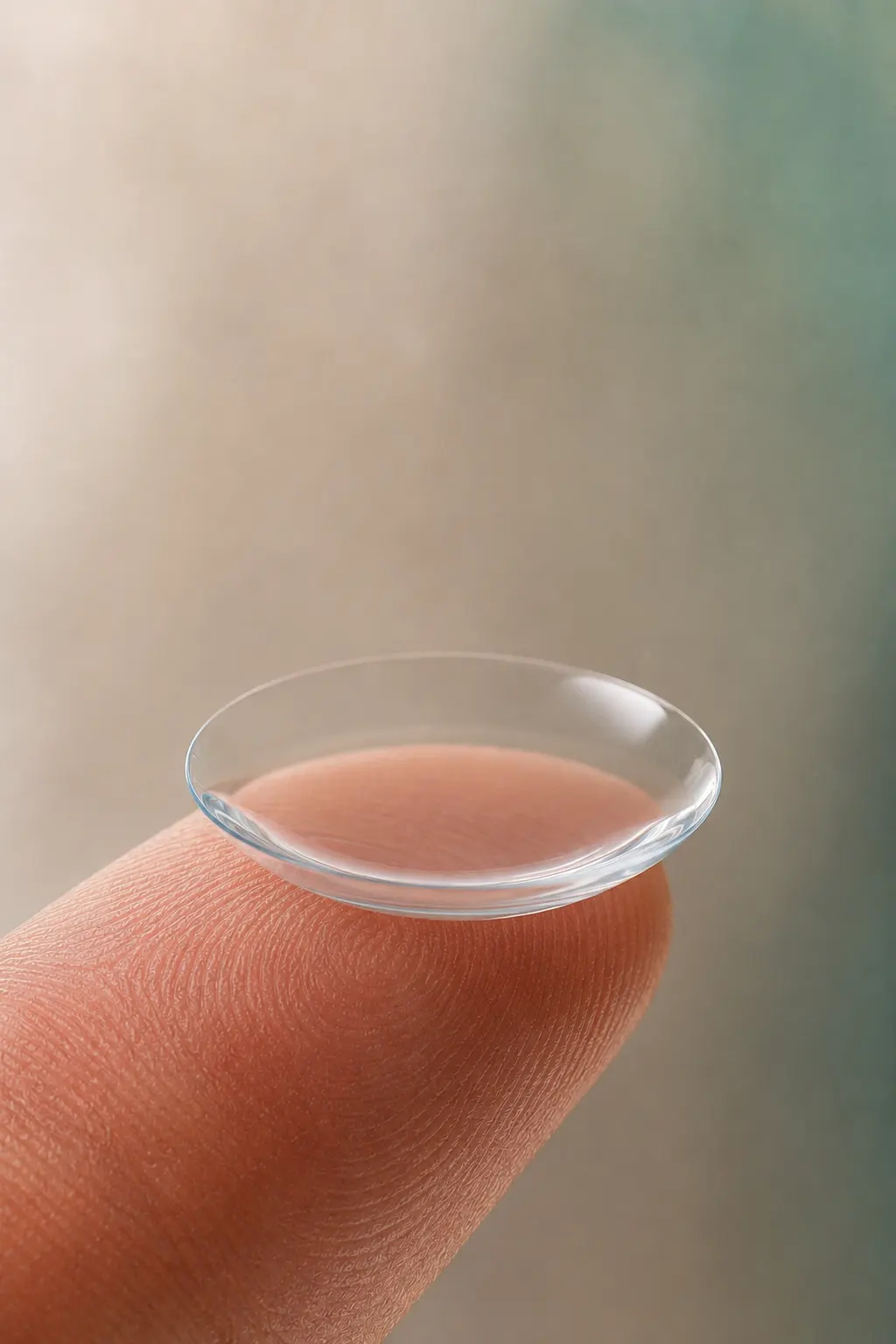
Large-diameter rigid gas-permeable lenses that vault completely over the irregular cornea and rest on the sclera. The space between fills with sterile saline, creating a smooth new optical surface — unparalleled comfort and sharp vision for moderate to advanced keratoconus.
A rigid gas-permeable center for high-definition vision surrounded by a soft, flexible skirt for all-day comfort. An excellent middle ground for patients transitioning from soft lenses who want improved clarity without fully committing to a hard lens.
Traditional custom hard lenses that replace the irregular corneal shape with a smooth refractive surface — a proven option for mild to moderate keratoconus with well-established long-term results.
Managing a complex condition like keratoconus takes expertise beyond a routine eye exam. Our team combines decades of surgical experience with fellowship-level corneal specialization.
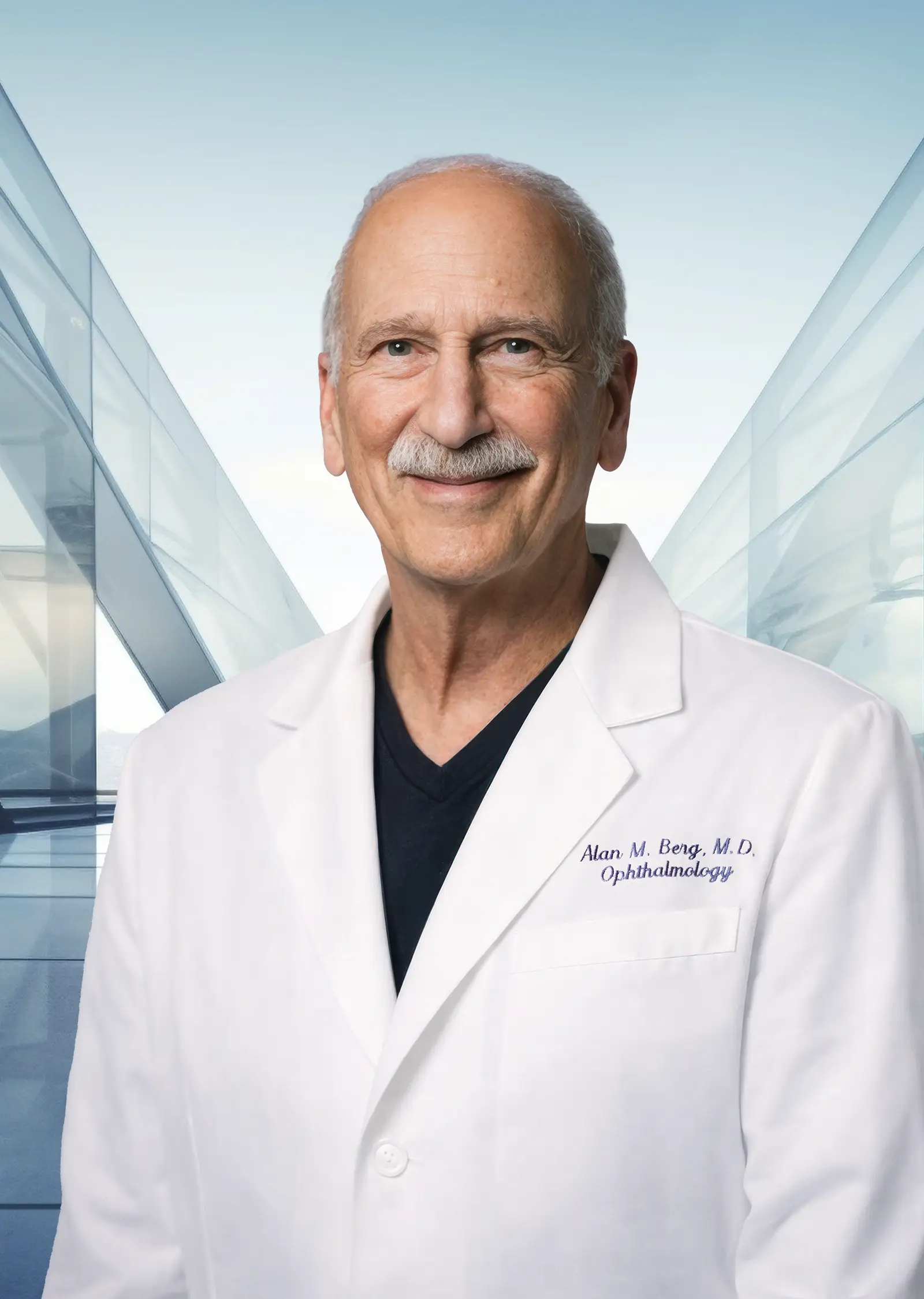
Co-Founder, Berg-Feinfield Vision Correction
The practice's primary surgeon for corneal cross-linking, with 30+ years of keratoconus and corneal surgery expertise. Among the first in Southern California to offer Glaukos's iLink CXL platform, an FDA clinical study participant, and a surgical educator who has trained ophthalmologists nationally. Sees keratoconus patients at all five locations.
Full profile →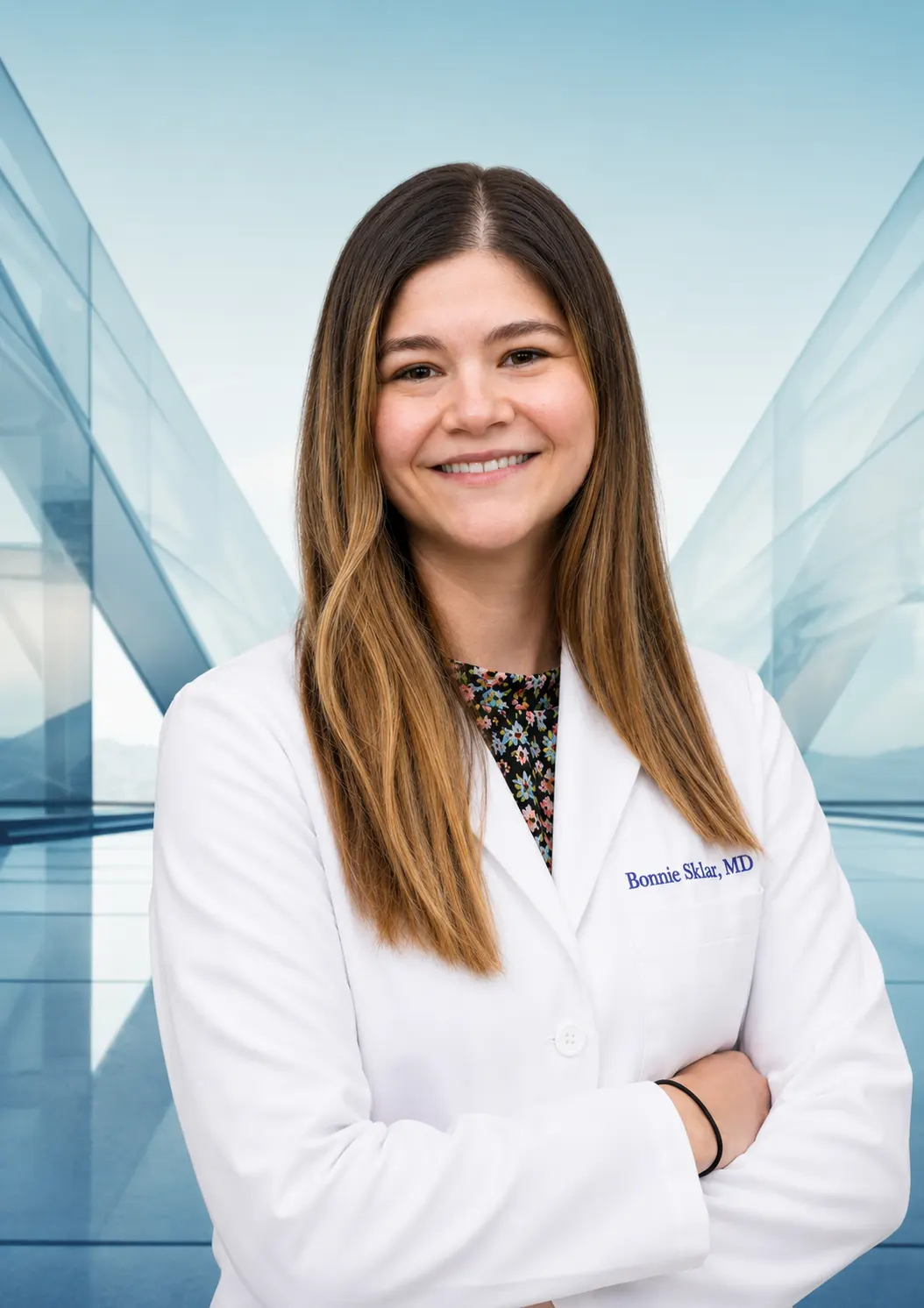
Fellowship-Trained Cornea Specialist
Fellowship-trained at Duke University Eye Center in Cornea & External Disease, with residency at Wills Eye Hospital in Philadelphia. Her focus includes keratoconus evaluation and co-management, corneal transplantation (DMEK, DSEK, PKP), complex anterior segment surgery, ocular surface disease, and advanced cataract surgery. Sees keratoconus patients at all five locations.
Full profile →The combination of modern corneal cross-linking — particularly the new Epi-On Epioxa approach — with custom scleral lens fitting represents the current standard of care for keratoconus management.
Our approach addresses both goals at once — halting the disease with cross-linking and restoring lost vision with specialty lenses.
Berg-Feinfield is the first practice in Los Angeles to offer FDA-approved epi-on cross-linking, indicated for patients aged 13 and older.
We've phased out Intacs in favor of safer, more predictable methods, avoiding risks like ring extrusion, infection, and corneal haze.
We explain your corneal topography in plain terms and build a treatment plan together — guiding you through every decision, every step.
If you've been diagnosed with keratoconus, or you're experiencing the frustrating symptoms of progressive vision loss, proactive specialized treatment is the key to preserving your eyesight. With state-of-the-art facilities across five Los Angeles-area locations, Berg-Feinfield is your trusted partner for world-class corneal care.