Meet Berg-Feinfield’s fellowship-trained glaucoma specialist, Dr. Lilit Minasyan, in Burbank, and learn how preventive glaucoma care protects your sight across Los Angeles.
Often referred to as “the silent thief of sight,” glaucoma is a serious eye condition that is the second leading cause of blindness in the world. Although there is no cure for glaucoma, ophthalmologists have made significant advances in treating the condition, including developing special eye drops that can help prevent vision loss by stopping glaucoma in its tracks.
While prescription eye drops are an effective treatment for many glaucoma patients, they’re not always for everyone and come with certain side effects. Keep reading to learn more about the pros and cons of eye drops for glaucoma treatment.
What is Glaucoma?
Glaucoma is an eye condition that causes damage to the optic nerve, leading to vision loss and even blindness if left untreated. Damage occurs due to increased eye pressure, known as intraocular pressure or IOP.
There are two main types of glaucoma, including:
Open-Angle Glaucoma
Most glaucoma patients have open-angle glaucoma, a condition that arises when resistance builds up in the drainage angle of the eye. In a healthy eye, aqueous humor fluid consistently flows in and out of the eye through the drainage angle, keeping your intraocular pressure stable.
When blockages prevent fluid from leaving the eye at the rate it should, intraocular pressure rises, leading to optic nerve damage. Most patients with open-angle glaucoma don’t notice symptoms at first.
However, as it develops, you may begin to lose your peripheral vision and eventually all of your eyesight. Once vision has been lost, it cannot be restored, so it is essential to attend regular eye exams to monitor for signs of the condition and treat it before it can cause significant damage.
Closed-Angle Glaucoma
Closed-angle glaucoma is a rarer form of the condition that happens when the iris is too close to the drainage angle of the eye, leading to a rise in intraocular pressure. Patients with this condition are at risk of acute attacks, when the iris completely blocks the drainage angle and causes a sudden rise in eye pressure.
Symptoms of an acute closed-angle glaucoma attack may include:
Suddenly blurry vision
Seeing rainbow-colored halos around lights
Nausea and vomiting
Severe headache or eye pain
These attacks are considered medical emergencies and require immediate attention. If not treated quickly, it could lead to rapid vision loss and permanent blindness.
What are the Benefits of Treating Glaucoma with Eye Drops?
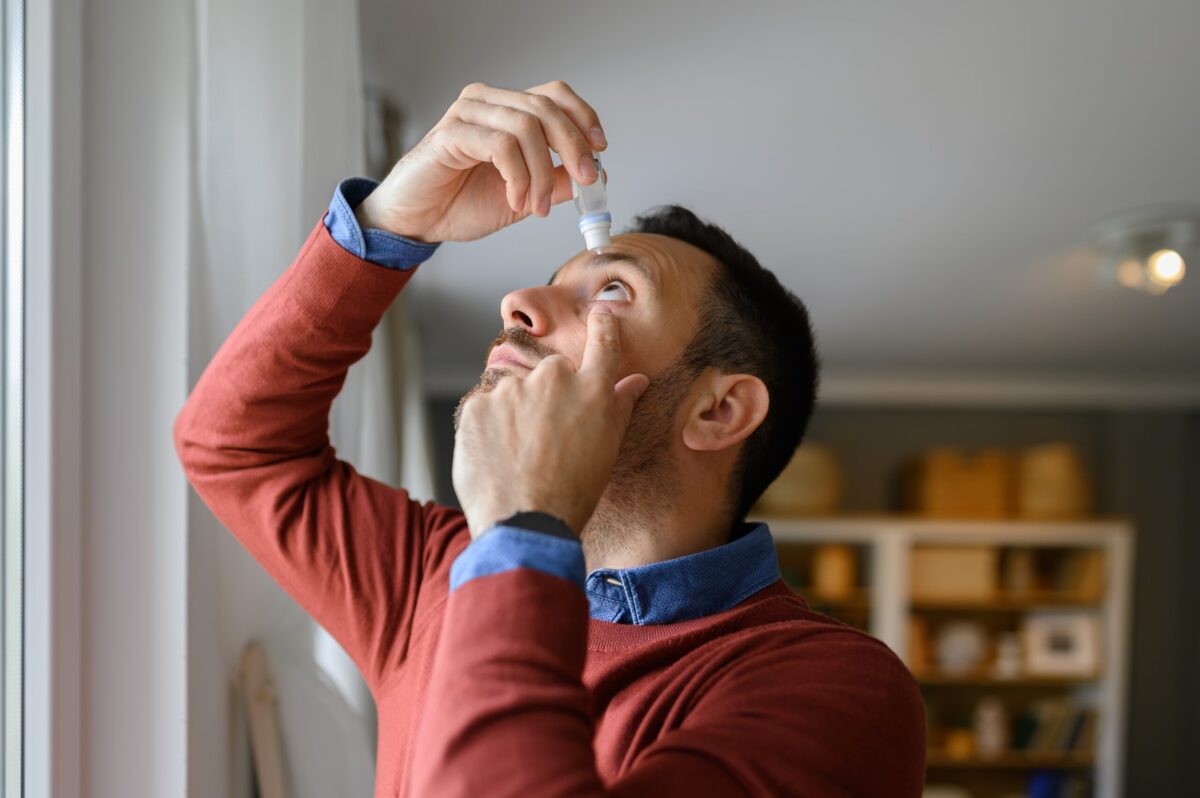
If you have been diagnosed with glaucoma, your eye doctor at Berg Feinfield Vision Correction may prescribe you special eye drops to help lower intraocular pressure. They are the most common treatment for open-angle glaucoma and offer a minimally invasive way to maintain healthy eye pressure.
Some eye drops work by helping aqueous humor fluid flow better through the drainage angle, while others limit the amount of fluid your eye is making. While prescription eye drops cannot cure glaucoma or reverse damage to the optic nerve, they can prevent your condition from worsening and help preserve your sight.
All the medication requires is following a daily application schedule set by your eye doctor and remembering to stay on top of renewing your prescription.
What are the Drawbacks of Eye Drops for Glaucoma?
Depending on the eye drops prescribed by your eye doctor, you may experience side effects that include:
Stinging, itchiness, or redness of the eyes
Changes to your heartbeat, breathing, or energy level
Dry mouth
Changes to your eye color or the skin around your eyes
Headaches
Blurry vision
Eyelash growth
These side effects can be frustrating and cause patients to seek out more permanent glaucoma treatment like laser trabeculoplasty, a procedure that can lower intraocular pressure and reduce your reliance on prescription eye drops. This is an especially good option for patients who have a hard time sticking to the application schedule required for glaucoma medication or have trouble remembering to use their eye drops.
Are you interested in determining whether eye drops are the best treatment for your glaucoma? Schedule an appointment at Berg Feinfield Vision Correction in Burbank, CA, today!
Often called “the silent thief of sight,” glaucoma is a common age-related eye condition that can lead to vision impairment or total vision loss. To protect your vision, you should learn about glaucoma and the ways you can help prevent vision loss from the condition.
Keep reading to learn 5 important facts about glaucoma every patient should know.
1. Glaucoma is a Leading Cause of Irreversible Blindness
Glaucoma is one of the leading causes of irreversible blindness worldwide. It occurs when fluid in the eye does not drain properly, causing a buildup of intraocular pressure that damages the optic nerve.
The optic nerve is the structure within the eye that relays visual information to the brain, creating visual perception. Damage to the optic nerve caused by elevated intraocular pressure can lead to permanent vision impairment or loss.
2. Glaucoma Often Has No Early Symptoms
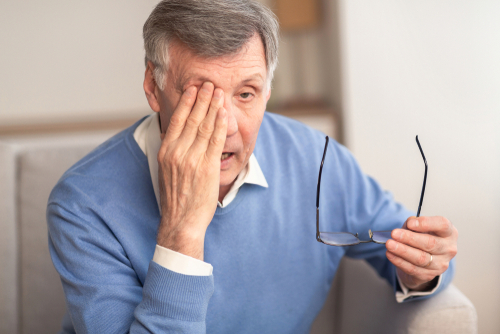
One of the most challenging aspects of glaucoma is its “silent” nature. In the early stages, most types of glaucoma have no noticeable symptoms.
By the time a patient experiences changes to their vision, glaucoma may have already caused significant and irreversible damage. Regular eye exams are critical to detect the development of glaucoma early and prevent damage to the optic nerve.
3. There Are Different Types of Glaucoma
There is more than one type of glaucoma. The most commonly diagnosed types are:
Open-Angle Glaucoma
Open-angle glaucoma is the most common type, characterized by gradual clogging of the eye’s drainage canals, leading to increased eye pressure. It develops slowly and usually without pain or immediate symptoms.
Angle-Closure Glaucoma
Angle-closure glaucoma is a less common but more severe type of glaucoma that occurs when the drainage angle of the eye suddenly becomes blocked. This type can cause rapid vision loss and is considered a medical emergency.
Normal-Tension Glaucoma
Normal-tension glaucoma causes optic nerve damage even though intraocular pressure is within the normal range. The exact cause of normal-tension glaucoma is not well understood, but it may involve poor blood flow to the optic nerve.
Secondary Glaucoma
Secondary glaucoma is caused by an underlying condition such as chronic health issues, trauma to the eye, or the use of certain medications like steroids.
4. Treatment Can Help Manage Glaucoma
While there is no cure for glaucoma, treatment options can help manage the condition to prevent further vision loss. These treatment options include:
Medicated Eye Drops
Medicated eye drops that help lower eye pressure are often the first glaucoma treatment recommended by eye doctors.
Laser Therapy
Procedures like selective laser trabeculoplasty (SLT) treat glaucoma by improving fluid drainage and reducing eye pressure.
Surgery
If medicated eye drops and laser therapy are not enough to manage advancing glaucoma, surgical options, including trabeculectomy, canaloplasty, or tube surgery, can create new drainage pathways or reduce ocular fluid production.
5. Regular Comprehensive Eye Exams Help Catch Glaucoma Early
Because it is often asymptomatic in its early stages, the best way to diagnose glaucoma before it impairs your vision is by scheduling regular comprehensive eye exams with your eye doctor at Berg Feinfield Vision Correction. These exams test for the signs of glaucoma and other age-related eye issues, like cataracts and macular degeneration.
It is especially important to attend eye exams if you are at a higher risk for developing glaucoma. Individuals over the age of 60 or those with a family history of glaucoma, chronic health conditions, including high blood pressure and diabetes, or a history of eye injuries all have a higher risk of glaucoma.
Knowing the essential facts about glaucoma is important. This includes its potential for causing irreversible vision impairment, its lack of early symptoms, the different types and available treatment options, and the importance of regular comprehensive eye exams.
Is it time for you to get a comprehensive eye exam? Schedule an appointment with Berg Feinfield Vision Correction in Burbank, CA, today!
Glaucoma, a leading cause of blindness, requires ongoing treatment to manage eye pressure and prevent further vision loss. Eye drops often play a critical role in managing most types of glaucoma.
Glaucoma is a group of eye conditions that damage the optic nerve, critical for clear and full vision. This damage is often caused by abnormally high pressure in the eye.
Glaucoma is one of the leading causes of blindness for people over the age of sixty. Permanent vision loss can occur within days if it is not treated.
There are many other types of glaucoma, all of which require treatment to control eye pressure and prevent vision loss.
Which Types of Glaucoma Require Eye Drops?
Glaucoma eye drops play a critical role in managing almost every type of glaucoma. They are usually the first line of treatment prescribed to lower eye pressure and slow damage to the optic nerve.
For open-angle glaucoma, the most common type of glaucoma, drops to decrease fluid production or improve drainage are used initially. Eye drops can help delay the progression of optic nerve damage.
With angle-closure glaucoma, an emergency acute attack requires urgent medical treatment to relieve the sudden pressure and blockage. However, after that episode, maintenance drops are typically needed to prevent future attacks and vision loss.
Other types of glaucoma, like normal tension glaucoma and congenital glaucoma, also nearly always necessitate daily glaucoma medication. While some rare forms may eventually require laser or surgery, eye drops are the most common treatment method for controlling glaucoma and preserving vision in most patients.
Which Eye Drops Are The Best For Glaucoma?
There are several types of prescription eye drops used to treat glaucoma. Your ophthalmologist will prescribe the drops that are most appropriate for your specific type and severity of glaucoma.
Some of the categories of glaucoma eye drops include:
Prostaglandin Analogs
These eye drops are often the first choice. Brand names include Lumigan, Travatan, and Xalatan. They increase drainage.
Beta Blockers
common brand names are Timoptic and Betoptic. They lower the production of eye fluid.
Alpha Agonists
Examples are Alphagan and Iopidine. They decrease fluid production and increase drainage.
Carbonic Anhydrase Inhibitors
Common brands are Azopt, Trusopt, and Diamox. They reduce fluid formation.
Combination Drops
These contain two different types of medications in one bottle. Examples are Cosopt, Combigan, and Simbrinza.
Those who are diagnosed with glaucoma may have to try multiple different types of drops to find which one works best for them. What works for one person may not work for another.
Your eye doctor will work with you to determine the best eye drop and eye drop regimen to help control your eye pressure.
What Happens If I Miss a Dose of My Glaucoma Drops?
It is essential to use your glaucoma medications exactly as prescribed by your doctor. Missing doses can allow pressure to rise and cause more optic nerve damage, thus vision loss.
Always ask your eye doctor what to do in case you miss a dose since the answer will depend on your specific treatment. To help you remember to take your eye drops on time, mark your dosing times on a calendar or set phone reminders.
It is very important that you let your eye doctor know if you frequently forget to use your drops. They may recommend switching you to a different medication with less frequent dosing.
Keeping up with your glaucoma medications is crucial to preserve your eyesight. With proper treatment, it is possible to slow the progression of glaucoma and maintain vision.
Do you have glaucoma and are wondering which eye drops are best for you? Schedule an appointment at Berg Feinfield Vision Correction in Burbank, CA, today!
Glaucoma describes a group of eye diseases that damage the optic nerve, a bundle of over one million nerve fibers that carry visual information from the eye to the brain. Often called the silent thief of sight, glaucoma’s nickname is based on the fact that it can cause vision loss without any noticeable symptoms.
This vision loss is irreversible, so the nickname is apt. Glaucoma often develops slowly over time.
Individuals with glaucoma may not realize that they have the disease until they experience vision loss. Regular eye exams are critical in the early detection of glaucoma when treatment can often slow or halt disease progression.
Keep reading to learn more about glaucoma and why it is called the silent thief of sight!
What Causes Glaucoma?
A healthy eye produces aqueous humor, fluid that fills the front part of the eye and flows out through eye’s drainage system. A balanced flow is necessary for your eye’s health.
One way to check the balance is by measuring eye pressure, also known as intraocular pressure, or IOP. A major risk factor for glaucoma is high IOP.
An IOP that’s higher than normal can result in damage to the optic nerve by killing off nerve fibers which in turn causes vision loss. At this point, the loss is irreversible: any sight you’ve lost is sight you can’t get back.
However, not everyone with high IOP will develop glaucoma. And although it is common, not everyone with glaucoma will have an elevated IOP.
What Are the Different Types of Glaucoma
There are two main types of glaucoma: open-angle glaucoma and angle-closure glaucoma. Open-angle glaucoma is the most common type, and it usually develops slowly without any noticeable symptoms.
It’s called open-angle because the drainage system is open and not blocked. Angle-closure glaucoma is less common but can cause symptoms such as eye pain, redness, and blurred vision.
What Are the Symptoms of Glaucoma?
Often there are no symptoms in early stages. The first indications of glaucoma might be a loss of peripheral or side vision, creating a sense of peering through a tunnel.
As it worsens, glaucoma affects central vision, reducing sight until blindness occurs.
Who’s At Risk For Glaucoma?
Glaucoma risk increases with age, especially when you’re forty or older. Other increased risk factors include those with a family history of glaucoma, people with diabetes, individuals with extreme nearsightedness, and patients who’ve used steroid medications over a long period of time.
Regular eye exams are recommended if you’re over the age of sixty, have a family history of glaucoma, or have high IOP.
How Do Eye Doctors Diagnose Glaucoma?
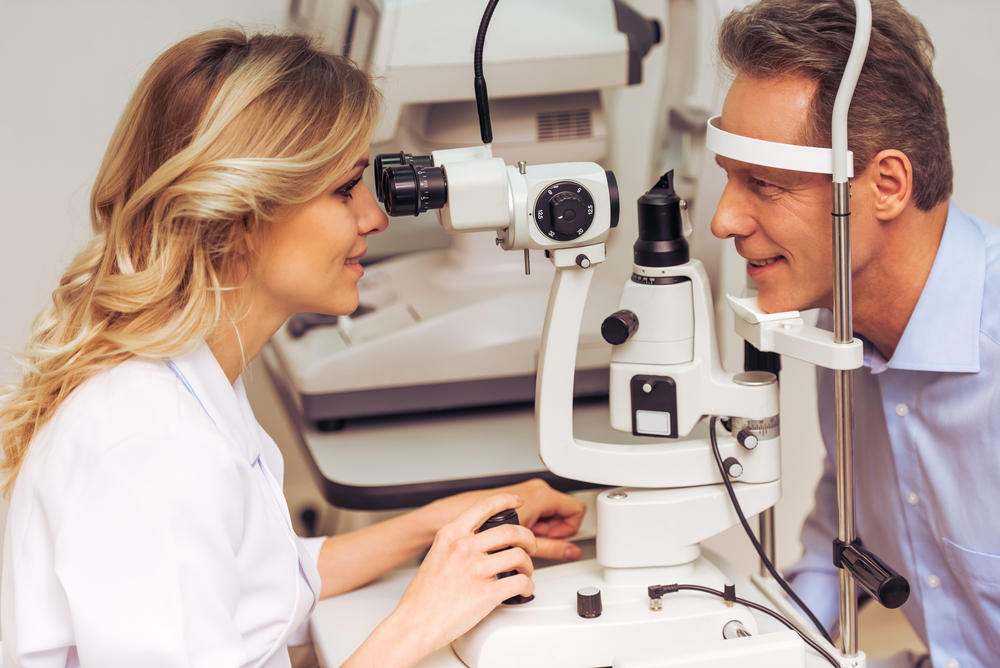
A comprehensive eye exam can detect glaucoma symptoms long before the patient is aware of the condition. Eye pressure is measured along with corneal thickness.
The optic nerve is carefully examined through the dilated pupils. Visual field testing measures the side vision of the eye. And computerized optic nerve imaging can also be done.
What Are the Treatment Methods of Glaucoma?
As with any health condition, early detection is key. When caught early, glaucoma can be managed to prevent further vision loss. Depending on the type of glaucoma, treatment can include prescription eye drops to reduce IOP, microsurgery to thoroughly drain out the fluid of the eye, or certain laser surgery procedures.
Do you want to learn more about glaucoma or have your eyes screened for the condition? Schedule an appointment at Berg Feinfield Vision Correction in Burbank, CA, today!
Glaucoma is a common age-related eye condition. It’s one of the leading causes of blindness in adults who are sixty and older.
One of the tricky things about glaucoma is that it doesn’t show any symptoms until you start experiencing vision loss. This vision loss is almost always due to high intraocular pressure (IOP).
Having increased IOP puts strain on your optic nerve and eventually damages it. The worse the damage becomes, the more sight you lose as your optic nerve is vital to see.
If you suffer any damage to your optic nerve, it’s irreversible. Any vision loss due to glaucoma is permanent and can’t come back.
The best way to save your vision from glaucoma is to have regular eye exams. If you have glaucoma, regular eye exams can help lead to earlier diagnosis and treatment.
You can’t repair the damage glaucoma causes, but you can treat it and manage it to slow down and prevent further damage. Keep reading to find out how to treat glaucoma after diagnosis!
Medication
Eye drops are the most common form of glaucoma medication. Taking the drops regularly should help lower your intraocular pressure.
High IOP is usually the result of fluid build-up in the eye, so these medications help reduce fluids getting stuck. Some of these medications use chemicals like prostaglandin, which increases fluid flow out of the eye.
Some use various inhibitors that suppress the production of fluid. You can also administer beta-blockers in the form of eye drops.
If eye drops aren’t helping, your eye doctor may recommend oral medication. The most common medication given orally is carbonic anhydrase inhibitors, which reduce fluid production in the eye.
Surgery
If medication isn’t effective on its own, you may need to undergo surgery. Various procedures help treat glaucoma.
Like glaucoma medication, these techniques all aim at lowering your IOP. They include:
Trabeculectomy
A trabeculectomy involves creating an opening through the sclera. The sclera is the white part of the eye. The opening in the sclera helps fluid drain more easily through the trabecular meshwork, which is the porous tissue that surrounds your eye and can get blocked, causing high IOP.
Trabeculoplasty
A trabeculoplasty uses a laser on the trabecular meshwork to increase drainage through the tissue.
Drainage Devices
Various tubes or shunts can be implanted in the eye to help fluid drain through them.
MIGS
MIGS stands for Minimally Invasive Glaucoma Surgery. These techniques are based on the procedures above but are less invasive as they use smaller devices or fewer incisions.
Many patients prefer these surgeries as recovery can be faster, but they’re only effective for mild glaucoma. Severe cases often require traditional surgery.
Your Unique Treatment Plan
No two glaucoma patients are alike. What you need may be different than someone else who has glaucoma.
Your eye doctor will work with you to determine what treatment or combination of treatments is best for you and your needs. There is no cure for glaucoma, but you can manage it.
These treatments may save your vision for years to come. But remember, vision loss from glaucoma is irreversible.
The only way to prevent vision loss is through early detection and treatment. Ensure you see your eye doctor regularly for eye exams, especially if you’re over 50.
Have concerns about glaucoma? Schedule an appointment at Berg Feinfield Vision Correction in Beverly Hills, CA, now!
Glaucoma is one of the leading causes of blindness in adults over the age of sixty. It’s a condition that damages the optic nerve, leading to worsening vision over time.
Unfortunately, if you lose vision to glaucoma, the damage is irreversible. But glaucoma is detectable before it causes any damage.
Early detection can slow and even prevent vision loss. Keep reading to learn how you can detect glaucoma to keep your eyes healthy.
What is Glaucoma?
Glaucoma is a degenerative eye disease that causes increased eye pressure or IOP. Your eyes contain fluid, called the aqueous humor, that flows through them.
When that fluid gets blocked from leaving your eye, IOP builds and can press on your optic nerve. Too much pressure on your optic nerve can damage it, resulting in vision loss.
When light enters your eye, it gets focused on your retina. Your retina contains light-sensitive cells that convert light into nerve impulses.
Those nerve impulses get sent down your optic nerve to your brain, which interprets the impulses, creating images. When your optic nerve becomes damaged, it affects your vision.
The most common type of glaucoma is open-angle glaucoma. It occurs when tissue in your eye’s drainage network, called the trabecular meshwork, gets blocked.
The drainage meshwork block causes IOP to rise slowly, which means open-angle glaucoma doesn’t cause symptoms in its early stages. The only way to detect it early is with an eye exam.
A rarer form of glaucoma, called angle-closure glaucoma, happens more quickly. It occurs when the iris bulges, blocking the channel between it and the cornea.
The pressure can build rapidly in angle-closure glaucoma. The block occurs suddenly and can cause immediate symptoms like severe headache, eye pain, and nausea.
If these symptoms occur, seek emergency medical treatment right away.
Does Glaucoma Have Symptoms?
Open-angle glaucoma has no physical symptoms. The only symptoms are vision loss, which occurs in the late stages.
Once symptoms occur, it is too late, and you already have permanent vision damage. Symptoms can begin as blind spots in your periphery and tunnel vision.
The more the optic nerve becomes damaged, the more your vision tunnels. Eventually, it can cause complete vision loss.
Symptoms occur after optic nerve damage has occurred, so it’s vital to detect glaucoma early. If you have open-angle glaucoma symptoms before diagnosis, you have permanent optic nerve damage. The only way to catch it early is through routine eye exams.
Glaucoma Diagnosis, Prevention, and Treatment
Open-angle glaucoma doesn’t show symptoms in the early stages. That is one reason why it’s crucial to have an eye exam at least once a year if you are over forty.
If you’re at high risk for glaucoma, your eye doctor may recommend more frequent appointments. Common glaucoma risk factors include:
Family history of glaucoma
High blood pressure
Diabetes
Your eye doctor can detect glaucoma before any symptoms occur. They do this by measuring your IOP and examining your optic nerve.
Sometimes, they can detect increased eye pressure before your optic nerve has gotten damaged. This is ideal, as you can take eye drops to manage your IOP and prevent damage.
There are other glaucoma treatment options as well, including various types of surgery. But glaucoma treatment is more effective the earlier it begins.
That’s because once you have glaucoma, you cannot cure it, only manage it. It’s up to you to see your eye doctor regularly so they can detect and treat glaucoma early.
Without regular visits to your eye doctor, you risk losing your eyesight. Is it time for you to get an eye exam?
Schedule an appointment at Berg-Feinfield in Sherman Oaks, CA. Ensure your eyes are safe from glaucoma!
As we get older we start thinking more and more about health and conditions we may be prone to getting. This is something you think about a lot when thinking about your eye health in particular. One condition that can start to develop as you get older is Primary Open-Angle Glaucoma. This is the most common type of glaucoma and it occurs gradually over time. When you have this condition, your eye does not drain fluid as well as it should, similar to a clogged drain. Because of this the eye pressure continuously builds up and this starts to cause damage to your optic nerve. This type of glaucoma is painless and causes no vision changes at first which is why it is commonly overlooked and not detected immediately.
Since Primary Open-Angle Glaucoma starts out with minimal to no warning signs or symptoms it is vital that you are having your eyes regularly examined. Eye exams are always important but become increasingly important as you age and could start developing these sometimes silent conditions. A regular eye exam will allow you to detect Glaucoma sooner and give you time to protect your vision. This is important to keep in mind because in the United States alone Glaucoma has left 120,000 blind.
Now that you know what Primary Open-Angle Glaucoma is and how severe it can be if it goes unrecognized it is important to take the next steps to protect yourself from this condition that could leave you blind. You can do this by scheduling an eye exam regularly to detect any warning signs of this condition as well as numerous other conditions that can negatively impact your eye health.
BERG-FEINFIELD · AFTER HOURS
Meet Claire.
Questions about your vision? Talk with our AI assistant about LASIK, cataract surgery, or general eye care.
AI assistant for general information, not medical advice or emergency care. AI can make mistakes. Confirm medical information with your eye care professional.